


Pulse the Magazine of Texas Tech University Health Sciences Center Summer 2026



Health + Hope Special Feature
By Michael A. Cantu
In Every Issue
In Every Issue
Illustration by Whitney Green.
Editor’s Note
When TTUHSC creative manager Whitney Green shared the design concept for this issue, she described looking out the airplane window on her way to Lubbock, Texas, and recognizing the familiar patchwork as home.
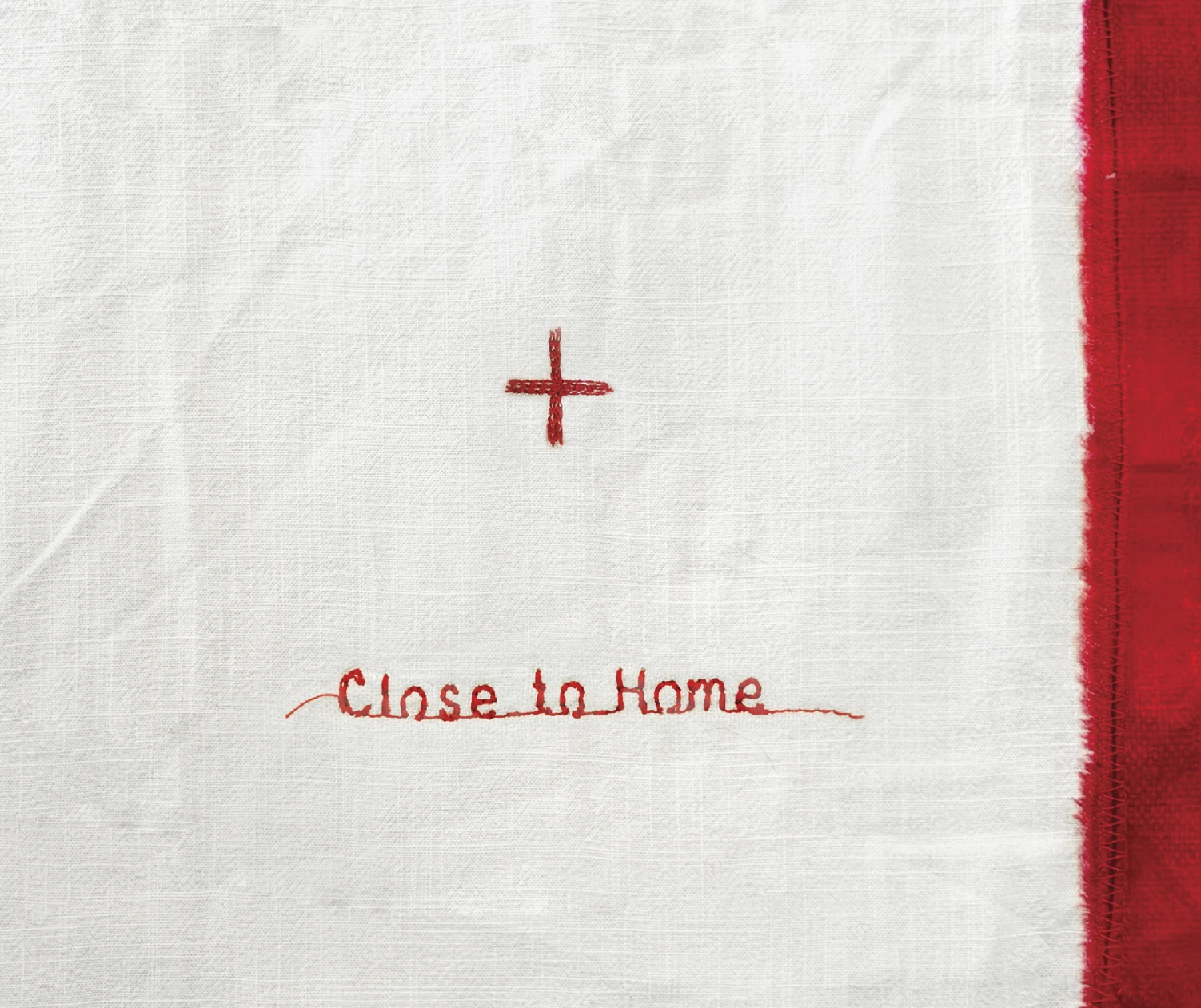
A quilt is more than a collection of fabric pieces stitched together. It represents comfort, family and reassurance in life’s most difficult moments. That same spirit defines cancer care at TTUHSC, where expertise, compassion and hope unite to support patients and their families.
This issue is especially meaningful to me. West Texas has always been home, and cancer has affected many of my family members and dear friends. Additionally, as I begin a new role at the university, this issue is my final one as editor. Since 2004, it has been my privilege to share stories across 41 issues of Pulse highlighting the people, partnerships and purpose that make TTUHSC extraordinary. Thank you!
Your Favorite Story
Those who participated in the Pulse reader survey said:
— “Our family has spent many hours going to the Cooper Aerobics Center, and it has without a doubt been a huge benefit for us all!”
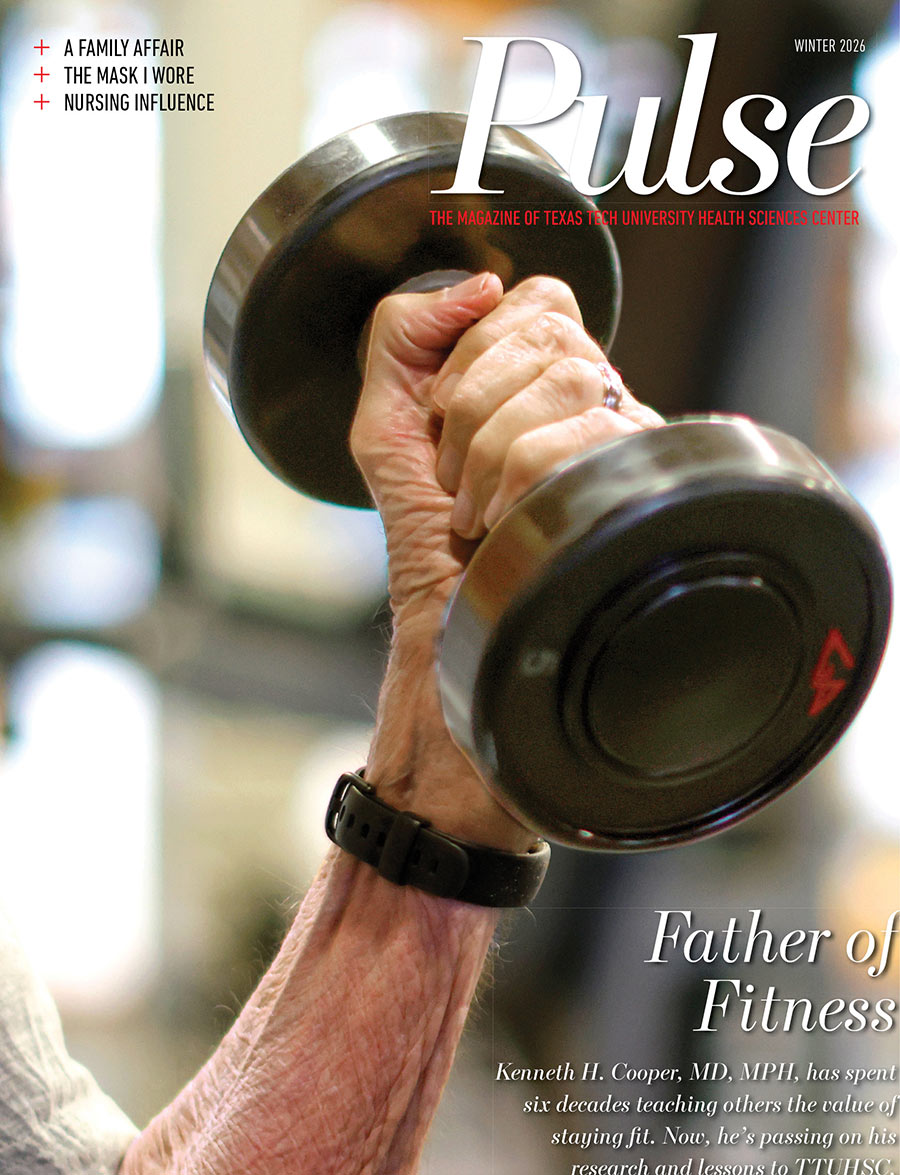
— “I really enjoyed the story about Kenneth H. Cooper. He practices what he preaches regarding his publication about aerobics and even in his later years is doing aerobic exercise. His story and his research continuing under TTUHSC is admirable.”
— “I enjoyed reading about Kenneth Cooper in the latest issue. It was an interesting historical narrative with the landmark papers being described and how he helped refute the notion that exercise wasn’t good for you or people who had chronic health conditions.”
— “I enjoyed reading about Dr. Kenneth Cooper. I met him many years ago when I was studying to become a personal trainer at Cooper (Clinic). He was very dynamic then and still is today.”
Meet-Cute Comment
Reader Survey Winner


A Collective Force Against Cancer
That’s where the Rural Cancer Collaborative comes in.
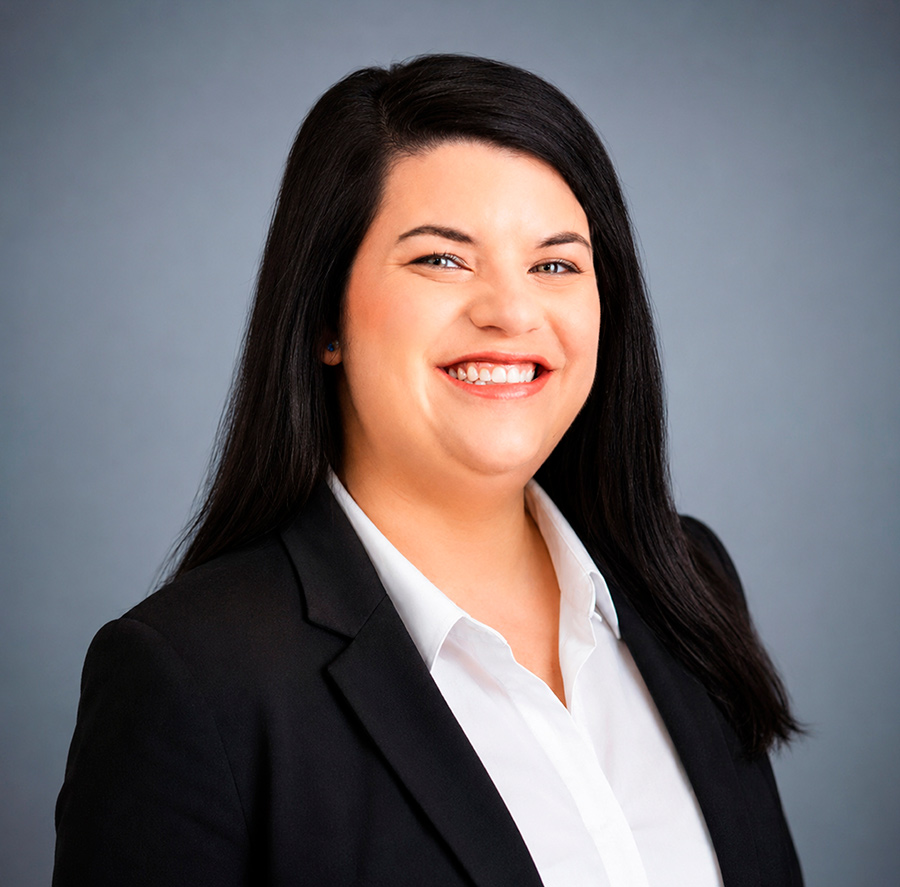
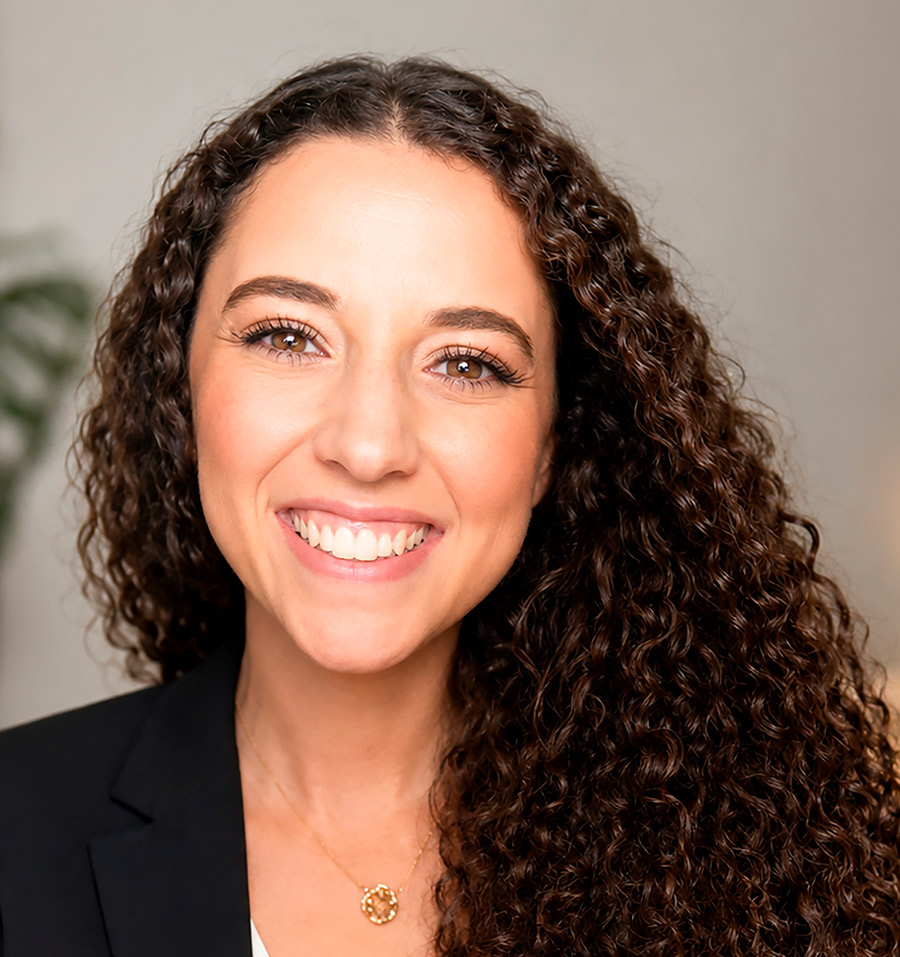
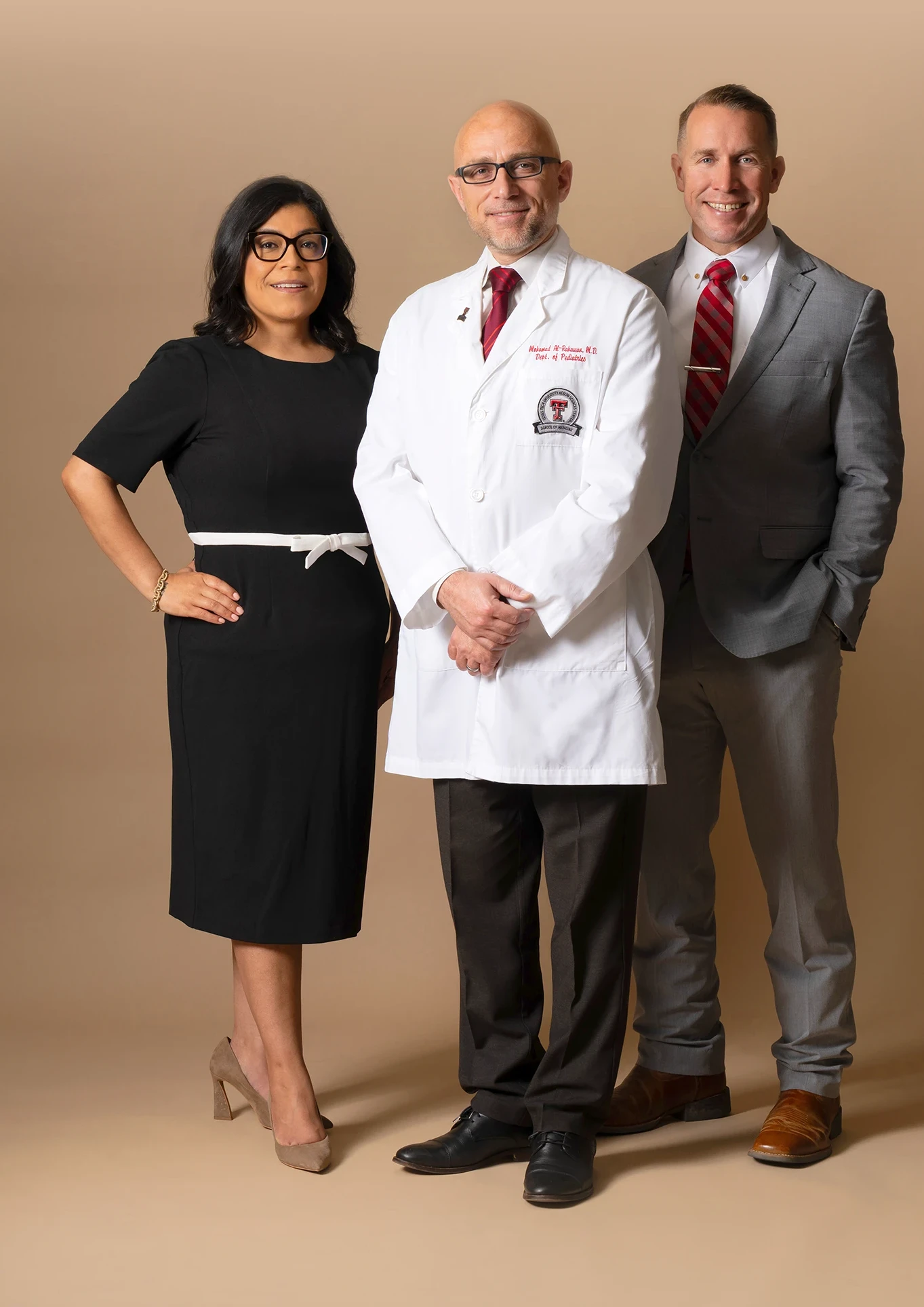
Mohamad Al-Rahawan, MD, a dual-appointed pediatric oncologist at TTUHSC and the Rural Cancer Collaborative’s executive director, championed efforts in the past to establish such a team in pediatric cancer care and now leads the broader-scale initiative.
The Rural Cancer Collaborative is closing the cancer gap for all by bringing cancer care closer to home, advancing research that reflects rural community needs and improving diagnostic outcomes.
Since its establishment, there are increased efforts in early detection and prevention, research and data analytics, and integrated treatment and care, thanks to $25 million in funding from the 89th Texas Legislature.
Now, the Rural Cancer Collaborative and TTUHSC as a whole are focused on recruiting top-tier faculty and cancer specialists to enhance research and patient care. Work is also underway to expand screening services and increase access to clinical trials.
“People in our region deserve access to the best available cancer care, and we are here to deliver,” Al-Rahawan says of the Rural Cancer Collaborative. Additional team members include Will Brock, managing director; and Charity Martinez, assistant managing director.
Click the button below to take a look at how the Rural Cancer Collaborative is impacting rural cancer care.
 AROUND THE UNIVERSITY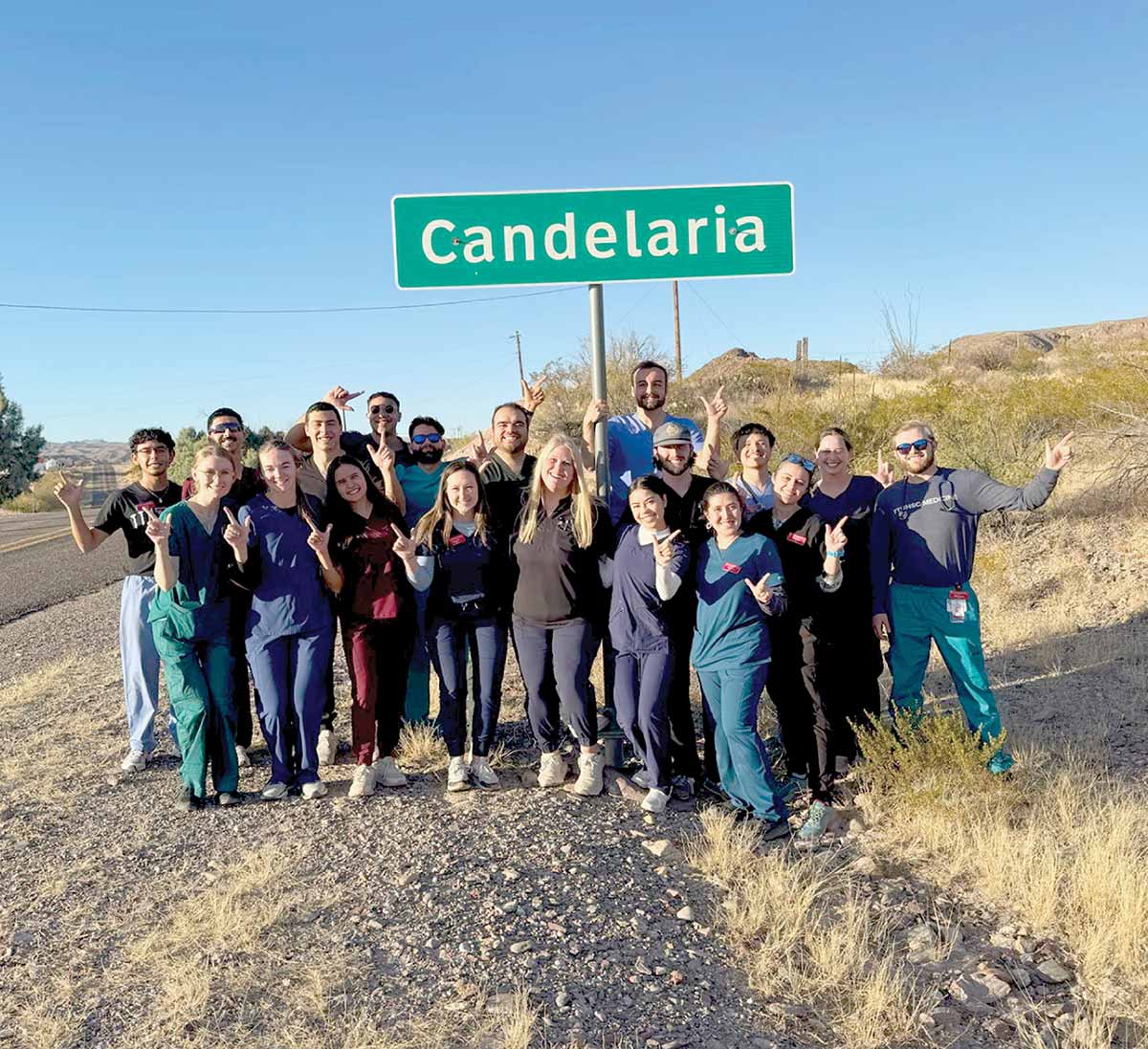
Purpose Meets Practice
Now in its third year, the organization began with learners from the School of Medicine. It has since expanded to include participants from all TTUHSC schools. As a learner-led service organization, the group is dedicated to improving access to health education and care. A group of 20-to-30 learners travel to communities across West Texas, including the Big Bend, Panhandle and Permian Basin.
The group’s leadership works to secure grants for hotel stays and medical equipment. Most of their funding to date has come from the TTUHSC Division of Rural Affairs. Participants also occasionally contribute to gas or other expenses. For those involved, the program offers perspective on the struggles rural patients face in finding care — that is why they go to them.
“I had no idea that not everyone has a hospital down every single road of their town,” Caroline Meche, a second-year medical learner in Amarillo, Texas, says. “I want to do everything in my power to ease that stress on people. If we’re in a position with our education to be able to bring some of these resources, I want to do everything that we can.”
AROUND THE UNIVERSITYRecognition for Recognition
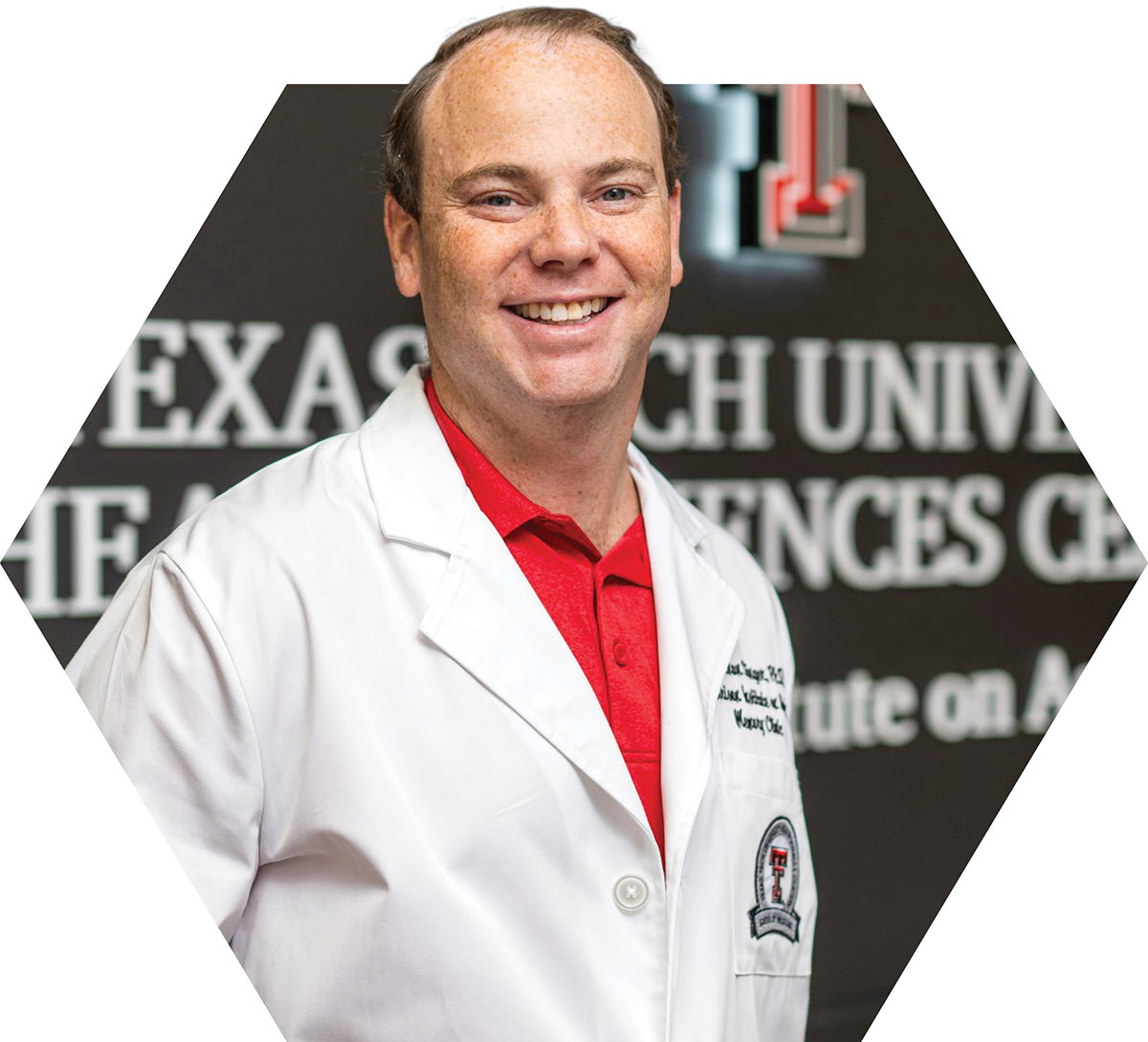
TTUHSC’s Garrison Institute on Aging Memory Clinic was recognized as an Age-Friendly Health Systems Participant by the Institute for Healthcare Improvement. The designation reflects an organization’s adoption of a defined “4M’s” approach to providing care for older adults and their family caregivers.
The four essential elements of an Age-Friendly Health System are: what matters, medication, mentation and mobility.
“Investing in elder care also strengthens communities,” Jonathan Singer, PhD, Garrison clinic director, says. The institute is among the first health systems in the country to implement age-friendly healthcare.
“It helps families balance caregiving responsibilities and reduces strain on hospitals and emergency services,” Singer says. “When older adults receive the care they need, everyone benefits.”
 for the record
Stat! By the numbers
The Clinical Research Institute submits 100 applications annually to the TTUHSC Institutional Review Board, which approves research studies.
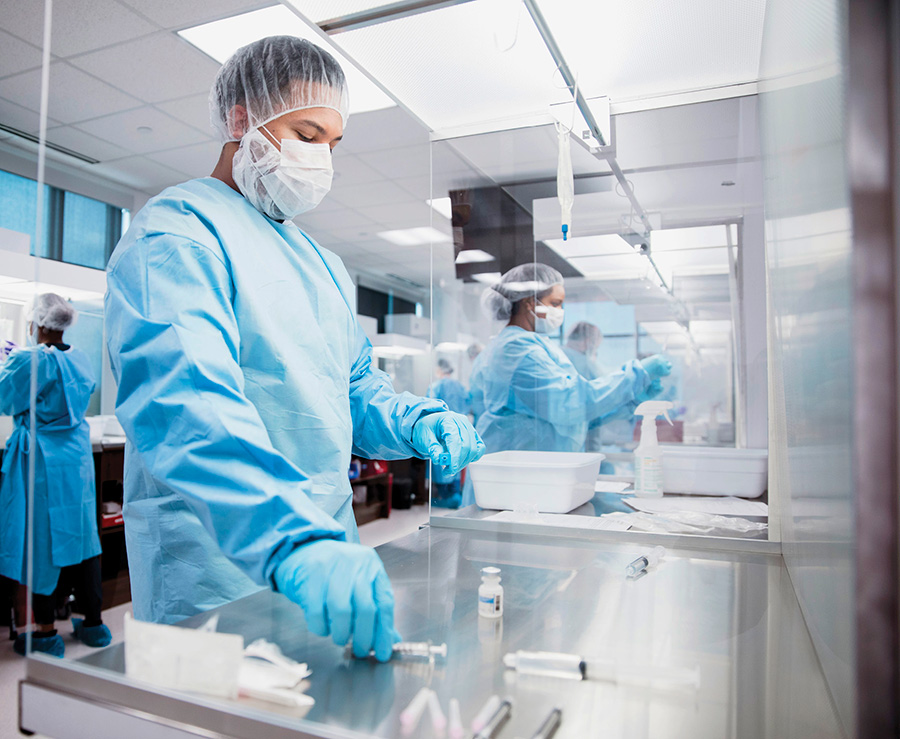
In Fiscal Year 2025, the institute conducted statistical analyses for
Research projects, including cancer, orthopedic surgery and meta-analyses.
2
arms of the Clinical Research Institute: oncology and interdisciplinary studies


Vitals: Signs from the Schools
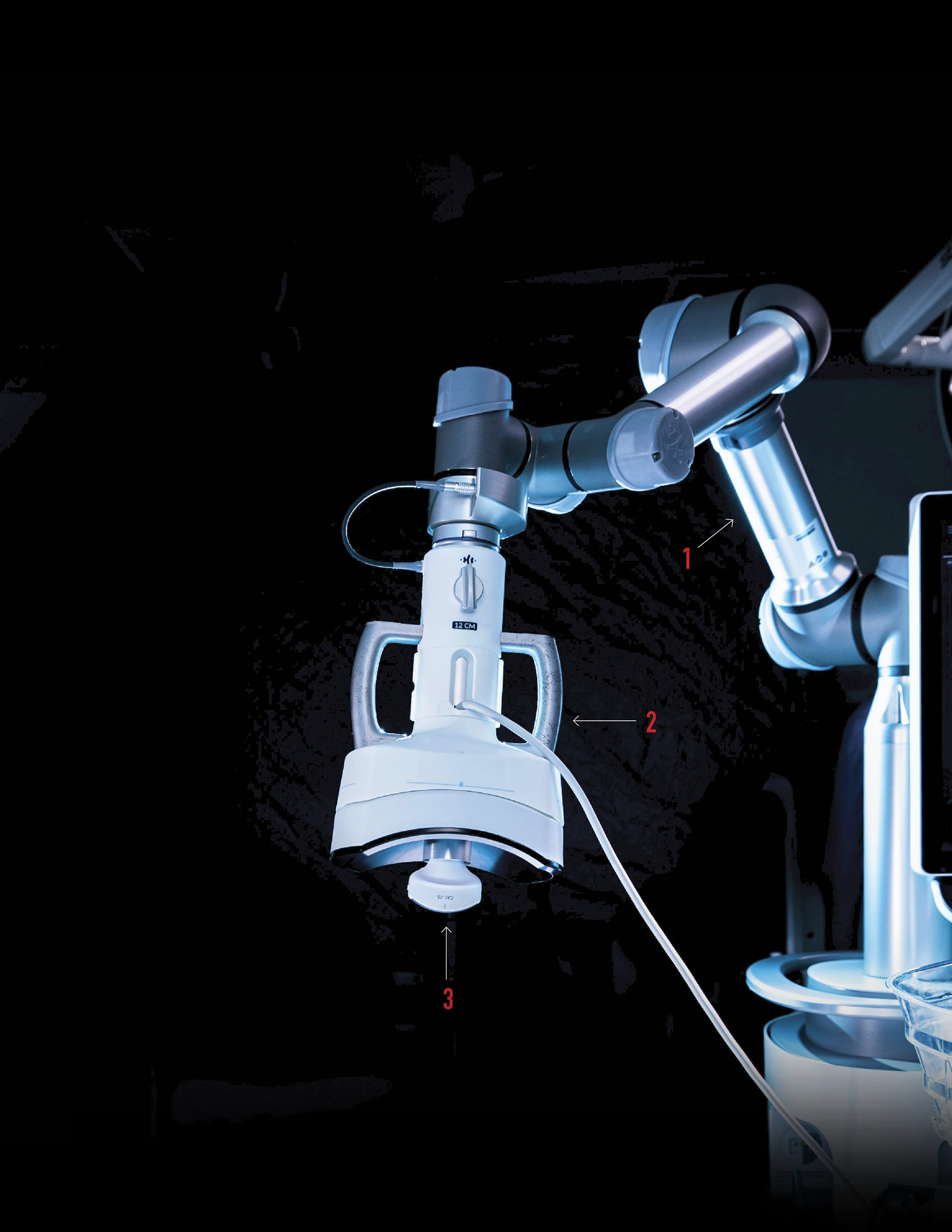
Surgery Without Surgery
The procedure takes about two hours from preparation through completion, with the ultrasound treatment itself lasting about 15 minutes, leading to significantly shorter hospital stays for most patients; some even go home the same day. The Food and Drug Administration has approved the technology for liver tumors, and research is underway to expand its use to other tumors, including kidney and prostate.
1
A robotic arm aids in positioning the transducer over the abdomen.
2
The ultrasound transducer delivers sound waves into tiny gas pockets in the tumor, creating bubbles to rapidly expand and collapse, breaking down the targeted tissue.
3
The imaging probe provides real-time visualization, helping the physician map the size and shape of the tumor and monitor the treatment.
 School of Medicine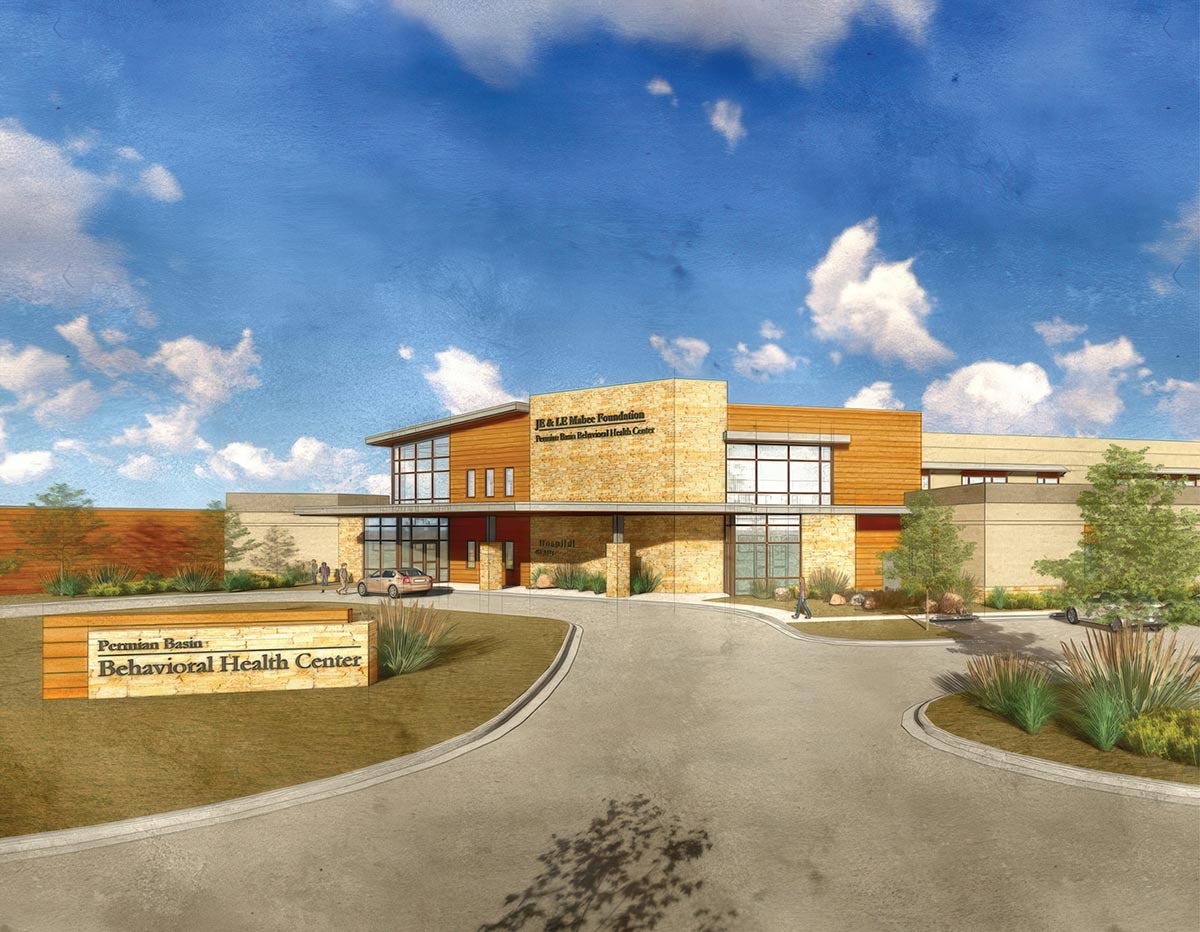
Resources to Address the Need
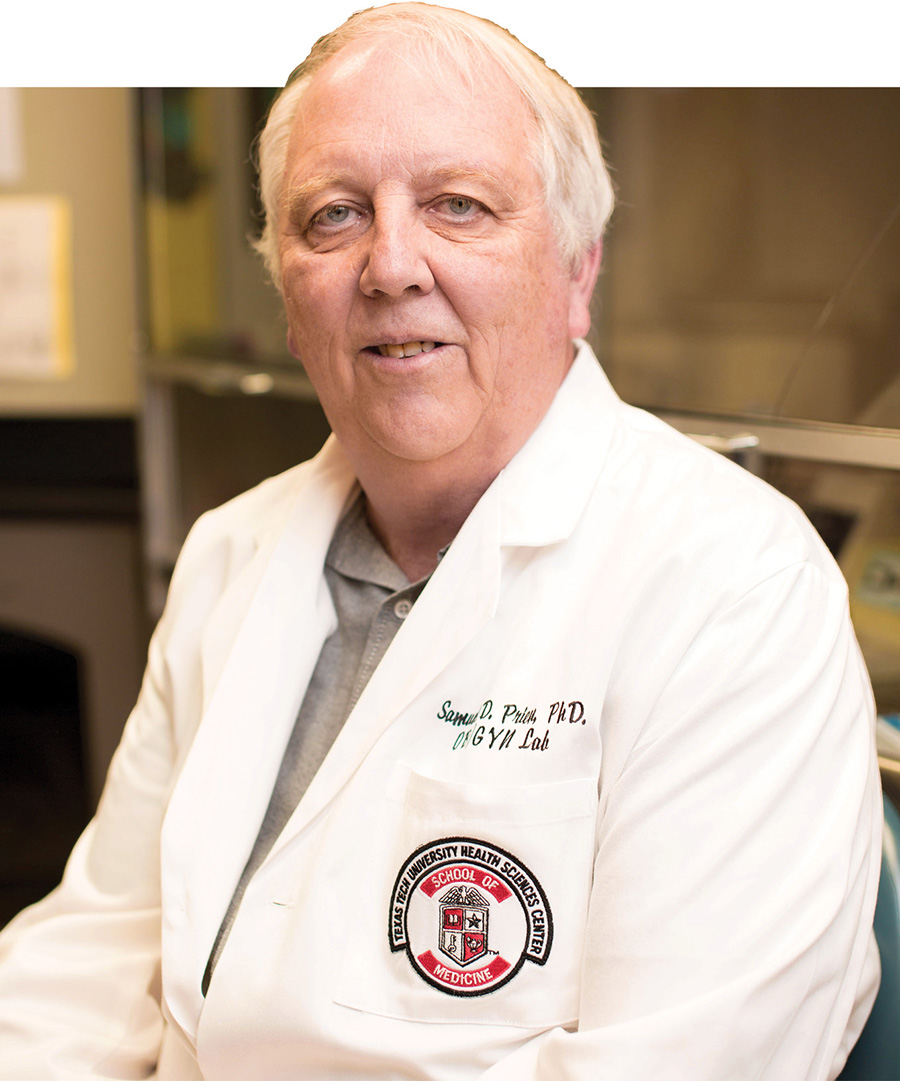
School of MedicineTop Fertility Specialist to Retire
“Outside of watching people take home a baby, teaching is by far the most rewarding thing I do,” Prien says.
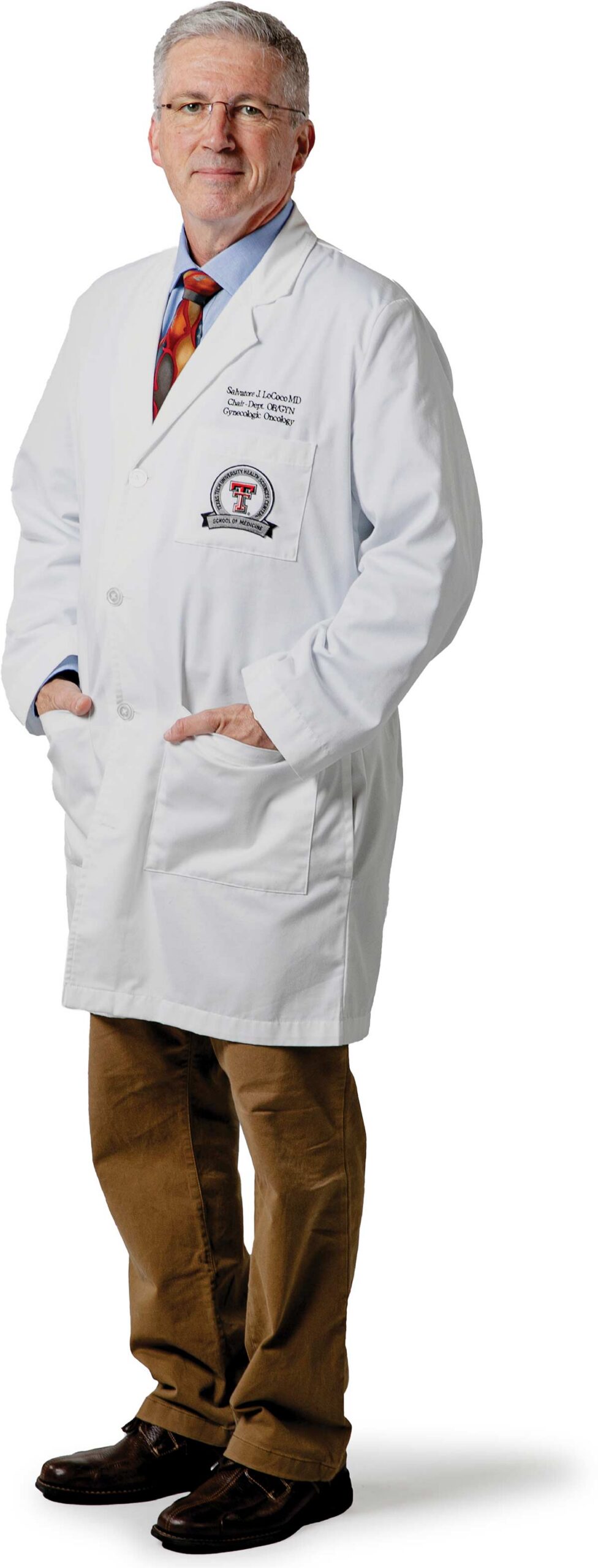
His innovations in fertility treatments have helped thousands of people. He was part of the first successful birth through Assisted Reproductive Technology (ART) at TTUHSC in the late 1980s. Since then, Prien estimates at least 3,800 babies have been born through ART in Lubbock and the surrounding area.
Prien has received multiple patents and became the first TTUHSC faculty member to be named a National Academy of Inventors Fellow in 2022. His official retirement date is Aug. 31, 2026.
 Graduate School of Biomedical Sciences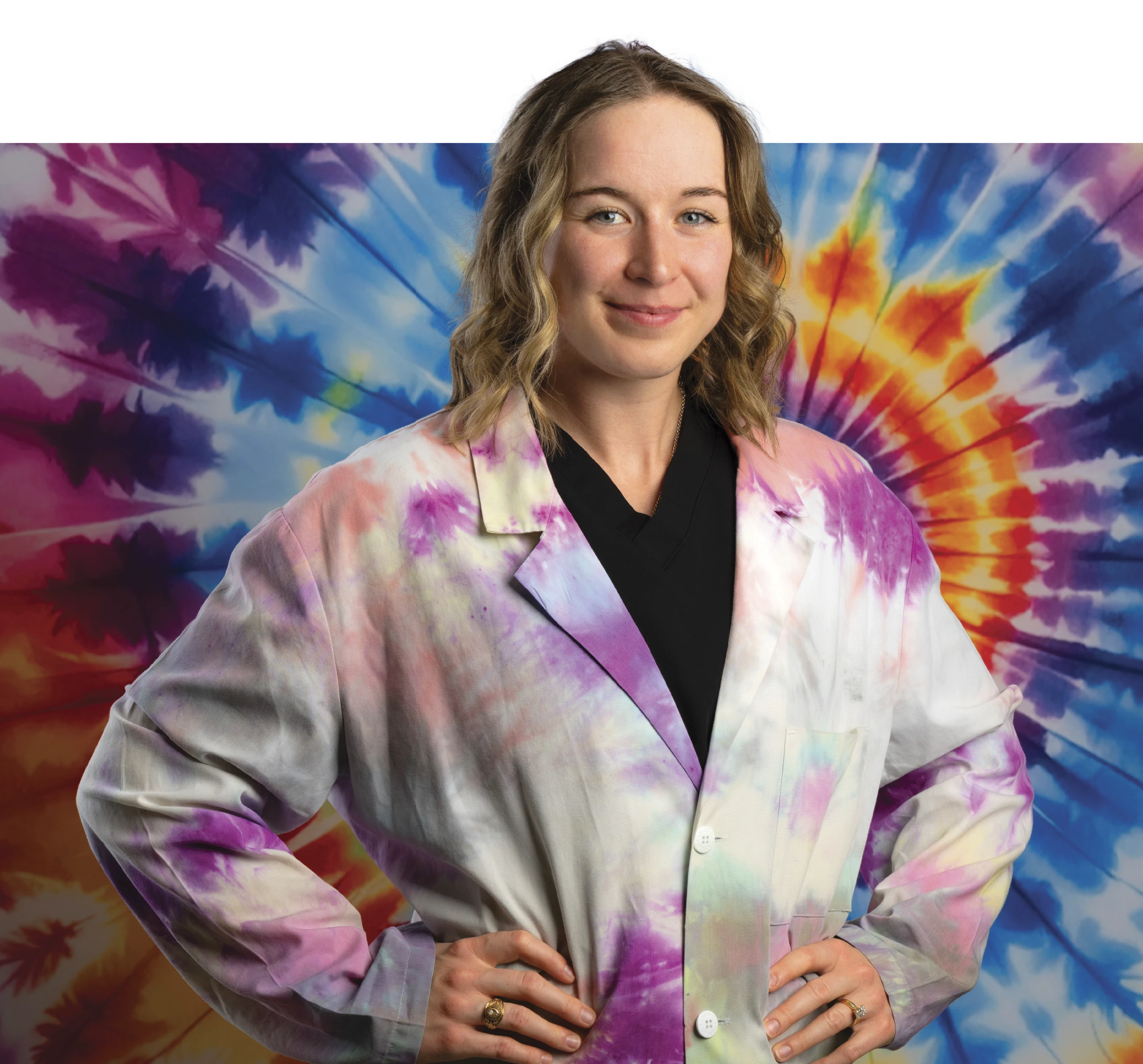
Nice Coat, Nerd
Graduate School of Biomedical SciencesWhere Research Meets Reality
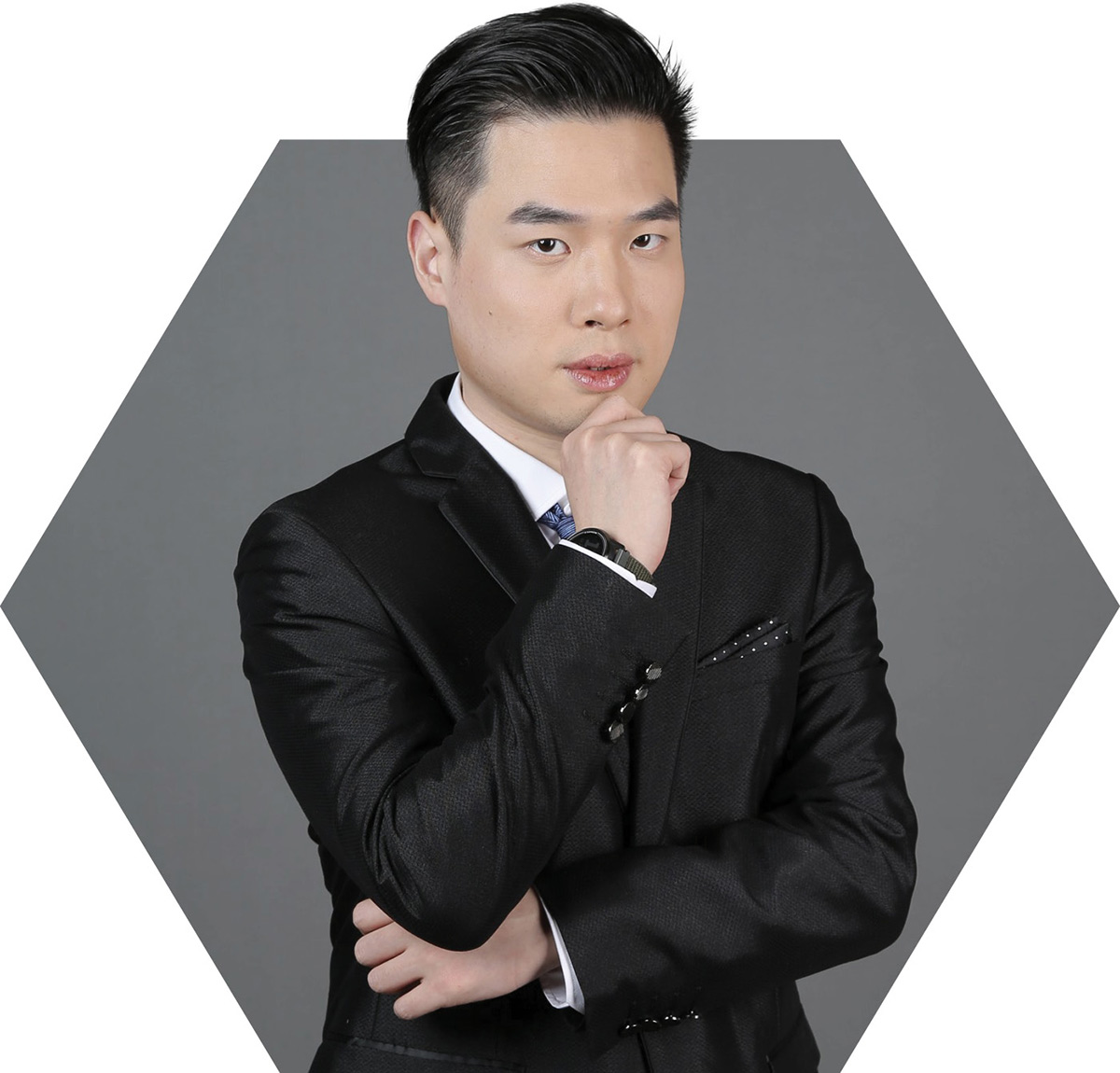
Jiang studied public health in rural communities as an undergraduate. While working as a visiting scholar at the University of South Carolina, he examined national healthcare data to compare rural and urban regions. He was fascinated by how complex datasets could reveal patterns in disease progression but still wondered how useful discoveries are if they don’t lead to patient solutions.
Today, Jiang focuses on prostate cancer metastasis, specifically how it spreads to bones. His approach bridges the gap between the computer and the lab by using computational analysis to identify potential biological signals, then testing those findings to see exactly how the disease behaves.
“It was this combination of challenge and consistent support that allowed me to gradually build confidence in both understanding and working with biological systems,” Jiang says.
 Julia Jones Matthews School of Population and Public Health
Public Health, Expanded
 Julia Jones Matthews School of Population and Public Health
The Researcher
The Investigation
The Numbers
Participants’ clinic data were linked to later-life Medicare claims to track the onset of 11 major chronic diseases, including cancer, heart disease and dementia. On average, participants entered Medicare 19 years after their clinic exam and were followed for an additional 10 years after age 65. This prolonged interval allowed evaluation of how well the participants aged.
The Comparison
High-fit study participants developed 9% to 12% fewer chronic diseases as they aged than low-fit study participants.
Meernik adds that the results support long-held health advice of exercising to stay fit. “Results were consistent across sexes, showing that fitness is a powerful predictor of aging in both men and women,” Meernik says.
School of Nursing


Faculty’s View of Nursing AI
Holly Wei, PhD, RN
Dean, TTUHSC School of Nursing
Steph Hoelscher, DNP, RN
Director, MSN Informatics Program
Katherine Taylor-Pearson, DNP, RN
Assistant professor, Graduate Informatics Program
 school of health professions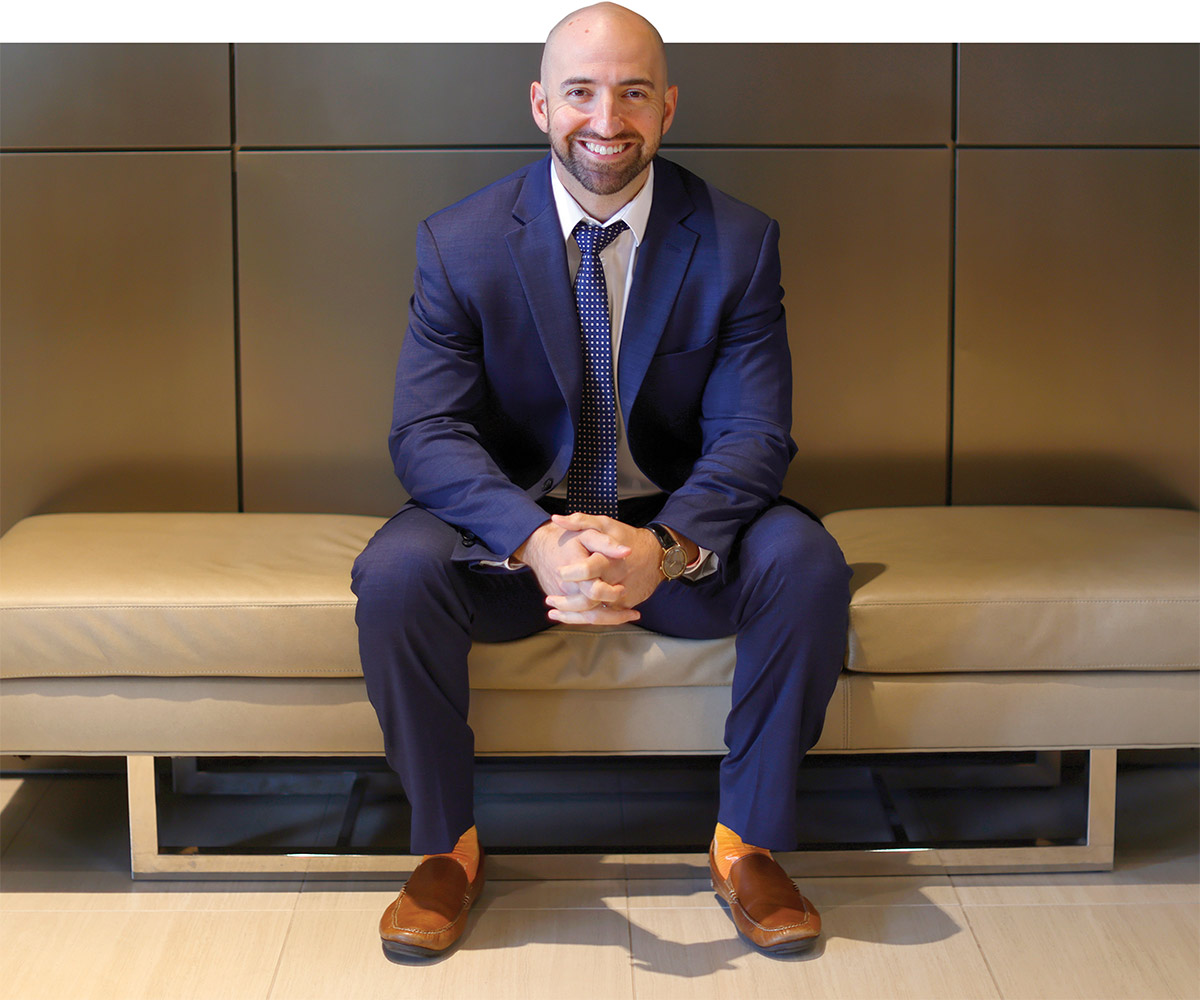
The Future of Personalized Cancer Care
A year after founding his biotech startup, REVO Oncology, Estevan Kiernan, MP, (Health Professions ’10) is trying to answer this question.
“Once we understand the biology of a patient’s cancer, we can use their DNA to personalize their cancer treatment,” Kiernan says.
He and his team are developing a novel test that uses cancer DNA to predict whether a patient is likely to respond to chemotherapy before treatment begins. Their goal is to reduce unnecessary treatment, medical costs and improve outcomes.
“These were questions we were discussing with our professors nearly 20 years ago,” he says. “Now we’re at the cusp of bringing treatment to cancer patients and improving their lives. It’s a very exciting time.”
 Jerry H. Hodge School of Pharmacy
Inspired by Janie
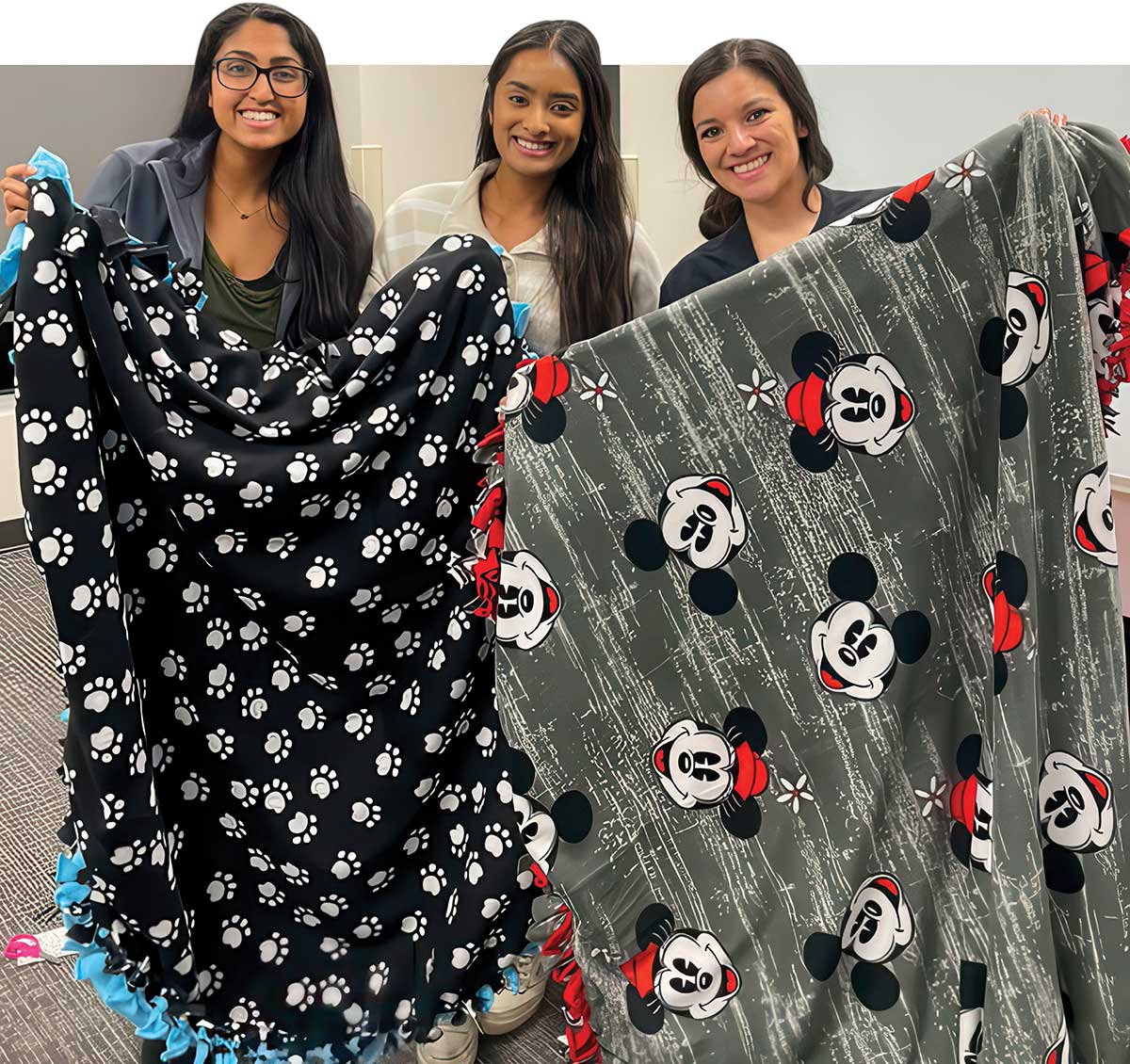
TTUHSC’s chapter of the Student Pediatric Pharmacy Association began its annual No-Sew Blanket event in 2023 after the death of Janie Robles, PharmD, (Pharmacy ’03) an associate professor at the TTUHSC Jerry H. Hodge School of Pharmacy.
“We decided, collectively as an organization, to donate blankets in her honor to different pediatric units,” Keira Turner, third-year pharmacy learner and association president, says. Robles was known for creating an atmosphere of comfort and reassurance, so blankets felt like a natural way to extend that same warmth to children.
Learners from across the university made fleece blankets — no sewing required — which are donated to children’s hospitals and pediatric units. This year, they made 30 blankets — maintaining the average from previous years.
“I felt it in my soul that this mattered,” Turner says. “She touched so many people who are still here.”
 Jerry H. Hodge School of Pharmacy
They’ve Got This


 Jerry h. hodge school of pharmacy
Formulating a New Playbook for Care


Probe: Advancing knowledge through innovative research

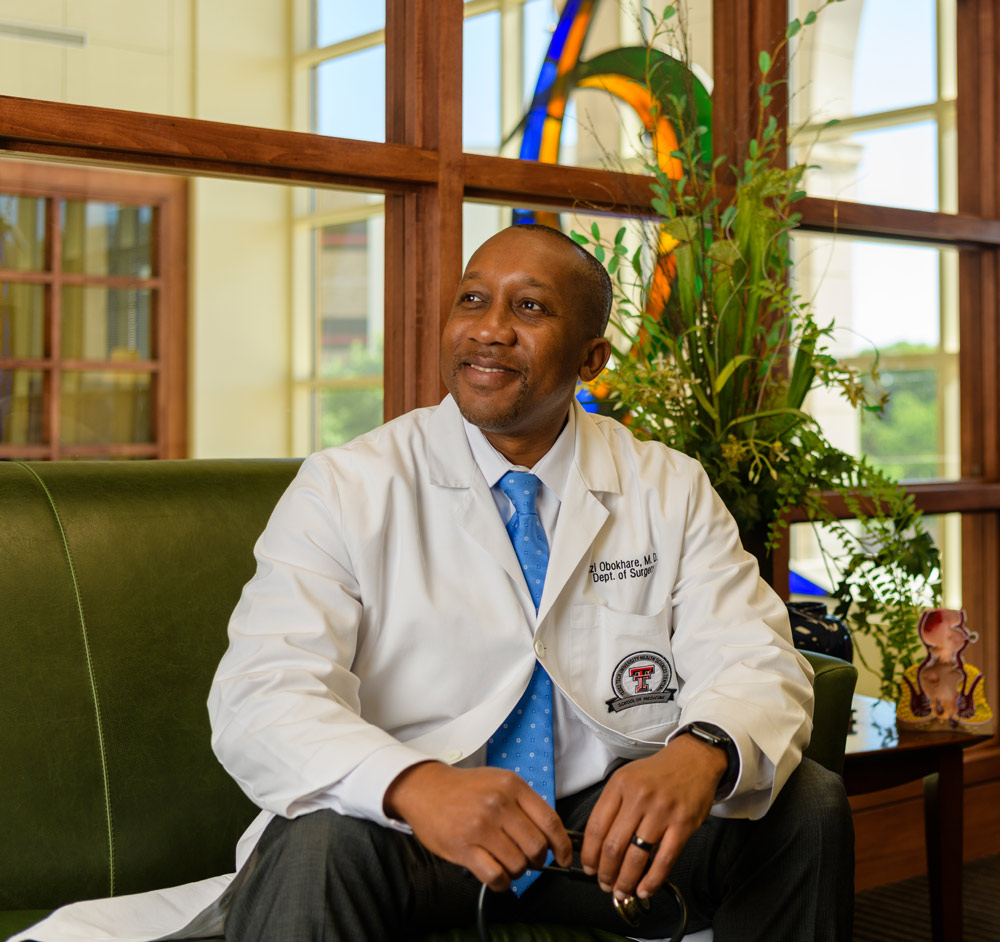
Izi Obokhare, MD
TTUHSC Amarillo School of Medicine
Department of Surgery
 CPRIT UPDATES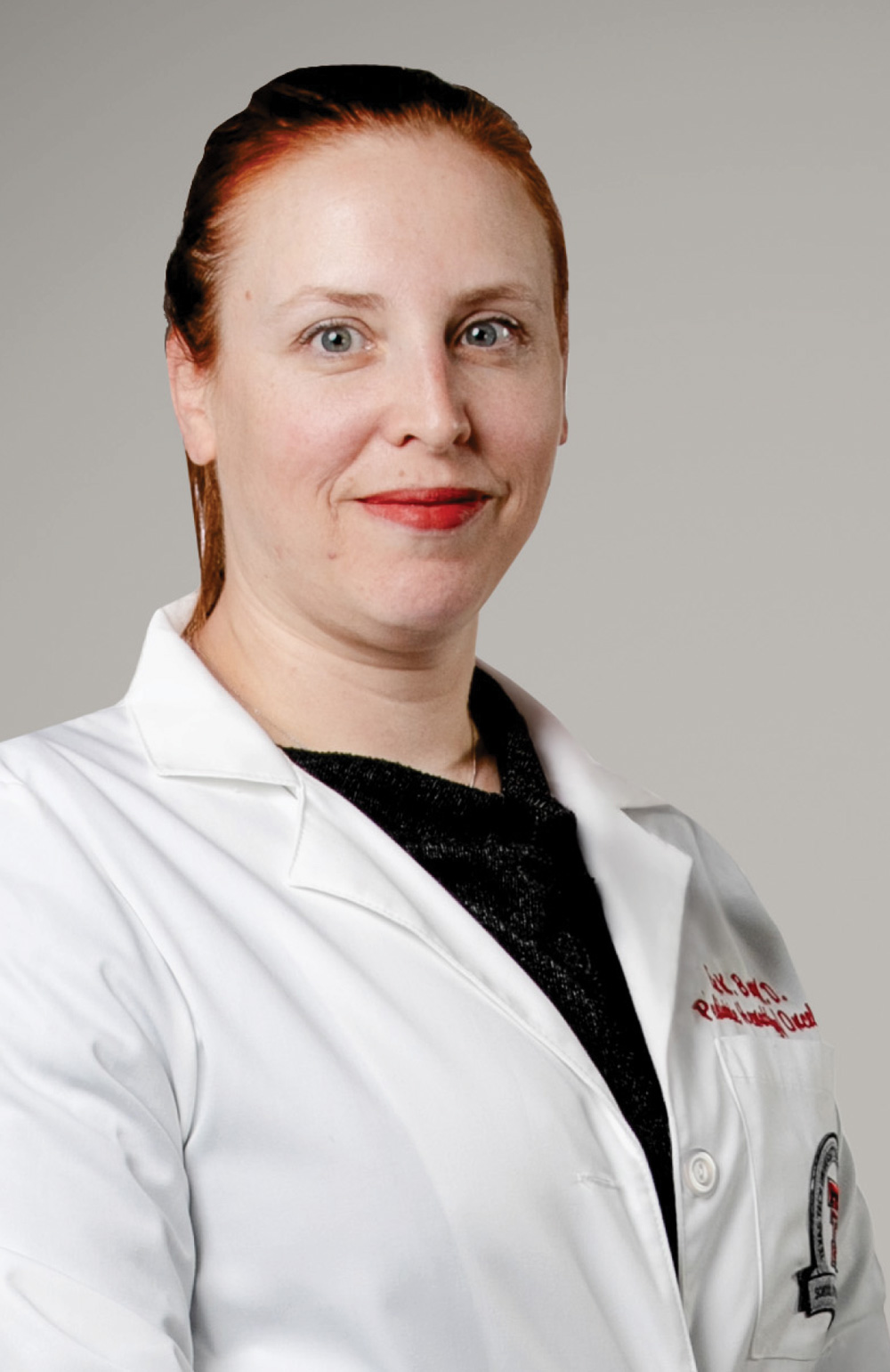
Trials Against Stubborn Cancer Tumors
Barr began early-phase clinical trials in West Texas as co-chair of SPOC-2012-001, part of the South Plains Oncology Consortium, a group of researchers in Texas who conduct oncology trials and translational research. She will test a combination of two cancer drugs to determine which is more effective for individuals ages 12 to 21 with solid tumors that have returned or have not responded to previous treatments.
She is also the study chair for the national Children’s Oncology Group, the world’s largest organization devoted to childhood and adolescent cancer. This clinical trial studies a way to make radiation therapy work better against cancer by preventing cancer cells from repairing themselves after radiation damage.
 FUNDING PERSPECTIVE
By the Numbers: CPRIT Funding Through the Years




Health + Hope



QUALITY CANCER CARE CLOSER TO HOME


A Sign From Above
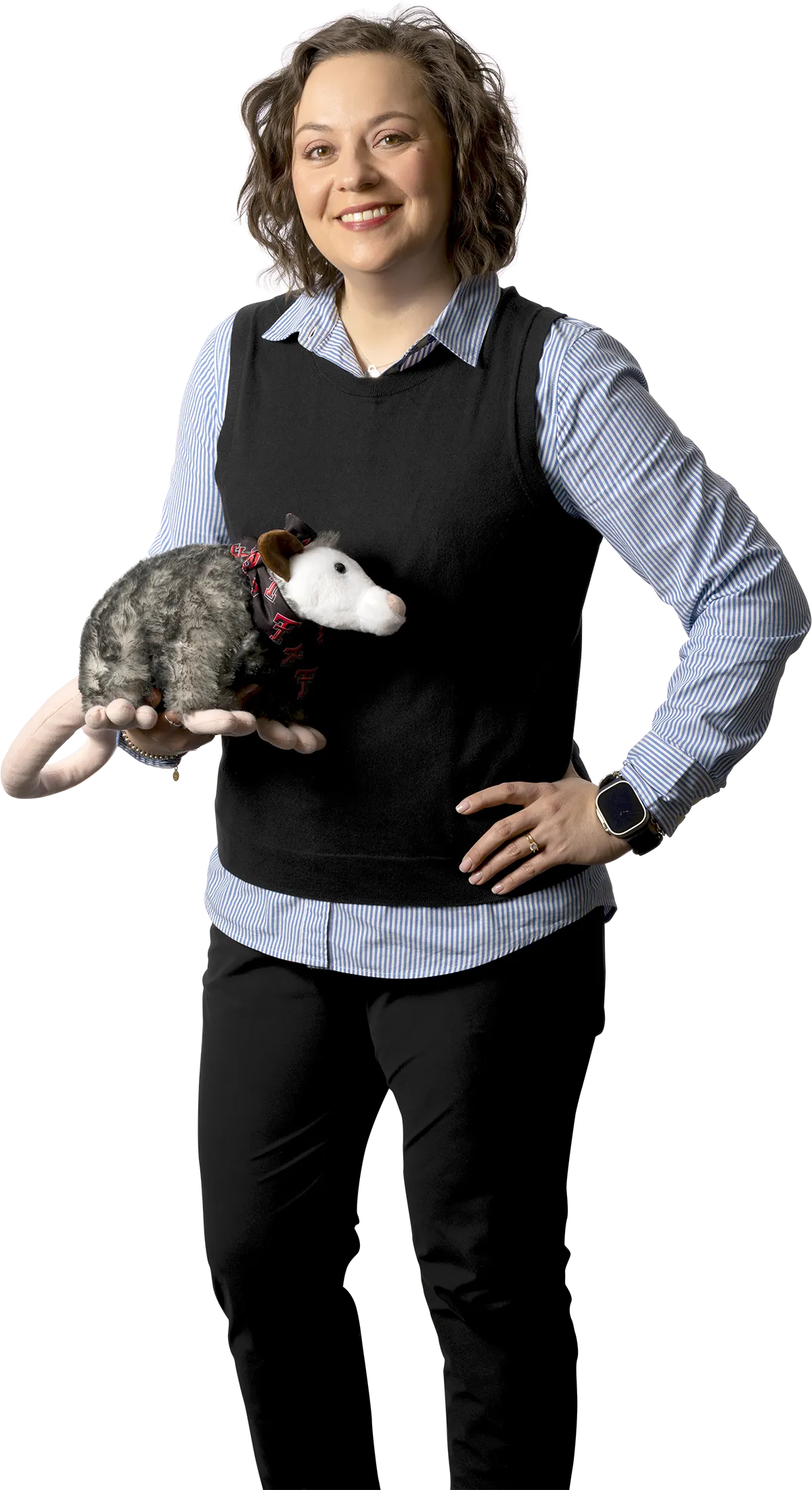
She serves as managing director of the TTUHSC Clinical Research Institute, which facilitates clinical research trials. That’s a full-time job itself — but for Kesey it is still not enough.
On weekends, once or twice a month, she returns to the John A. Griswold Trauma Center at UMC Health System in Lubbock, Texas, to work as a nurse. Her nursing career took off in the early-to-mid 2000s, caring for trauma patients under Griswold’s direction. The center’s namesake was a burn surgeon and also served as the CRI executive director until he retired in November 2025.
“Taking a patient and a family who are in the most life-threatening, life-changing crisis; supporting them through every step of the way to help them understand and cope, and offering them hope,” she adds. “To me, that’s a gift.”
That background also laid the foundation for her research interests. She wants to help people find the best treatment in any way she can, including accessing novel therapies through clinical trials.
“I believe in my heart that’s what God made me to do,” she says.
 cause for celebration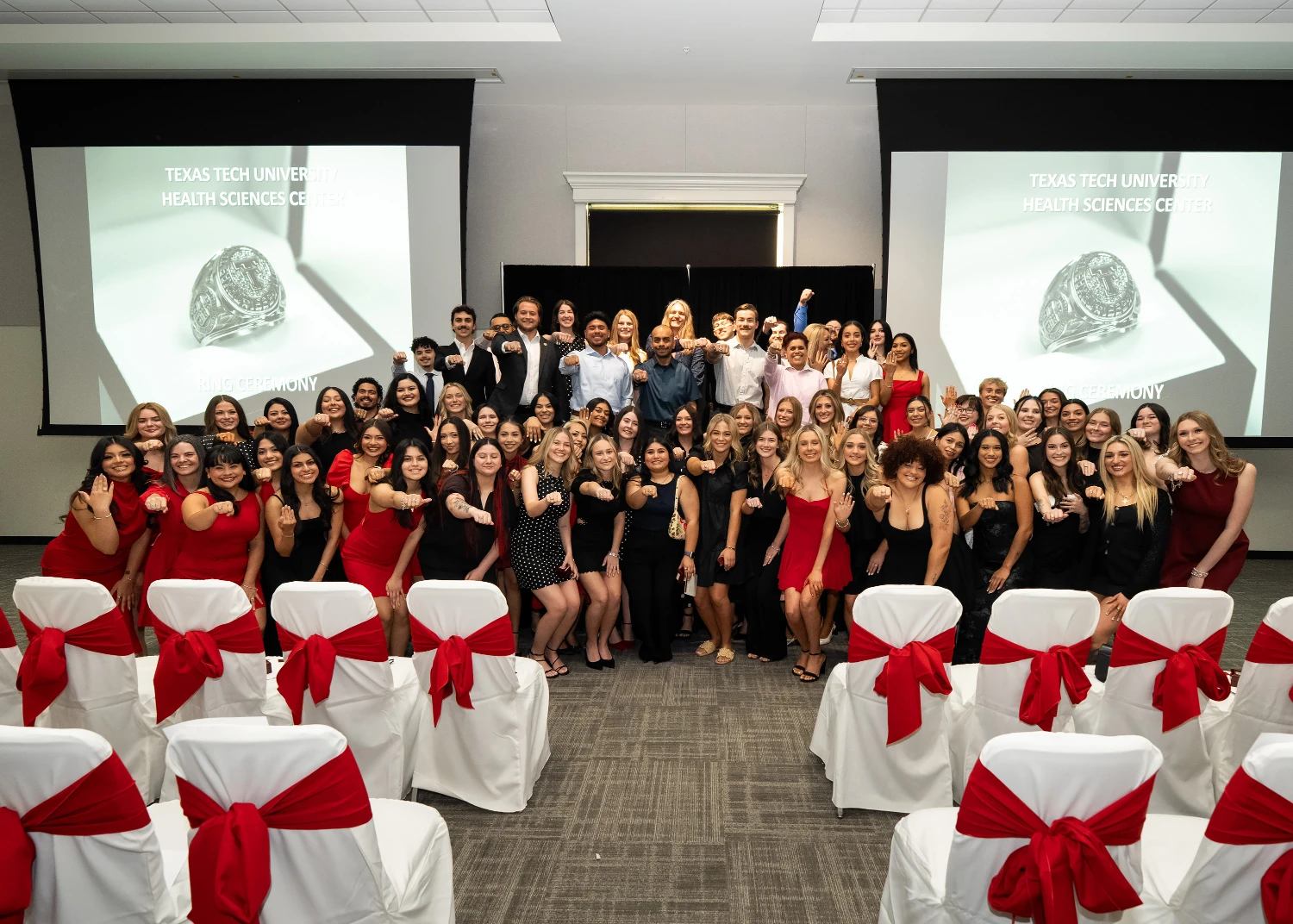

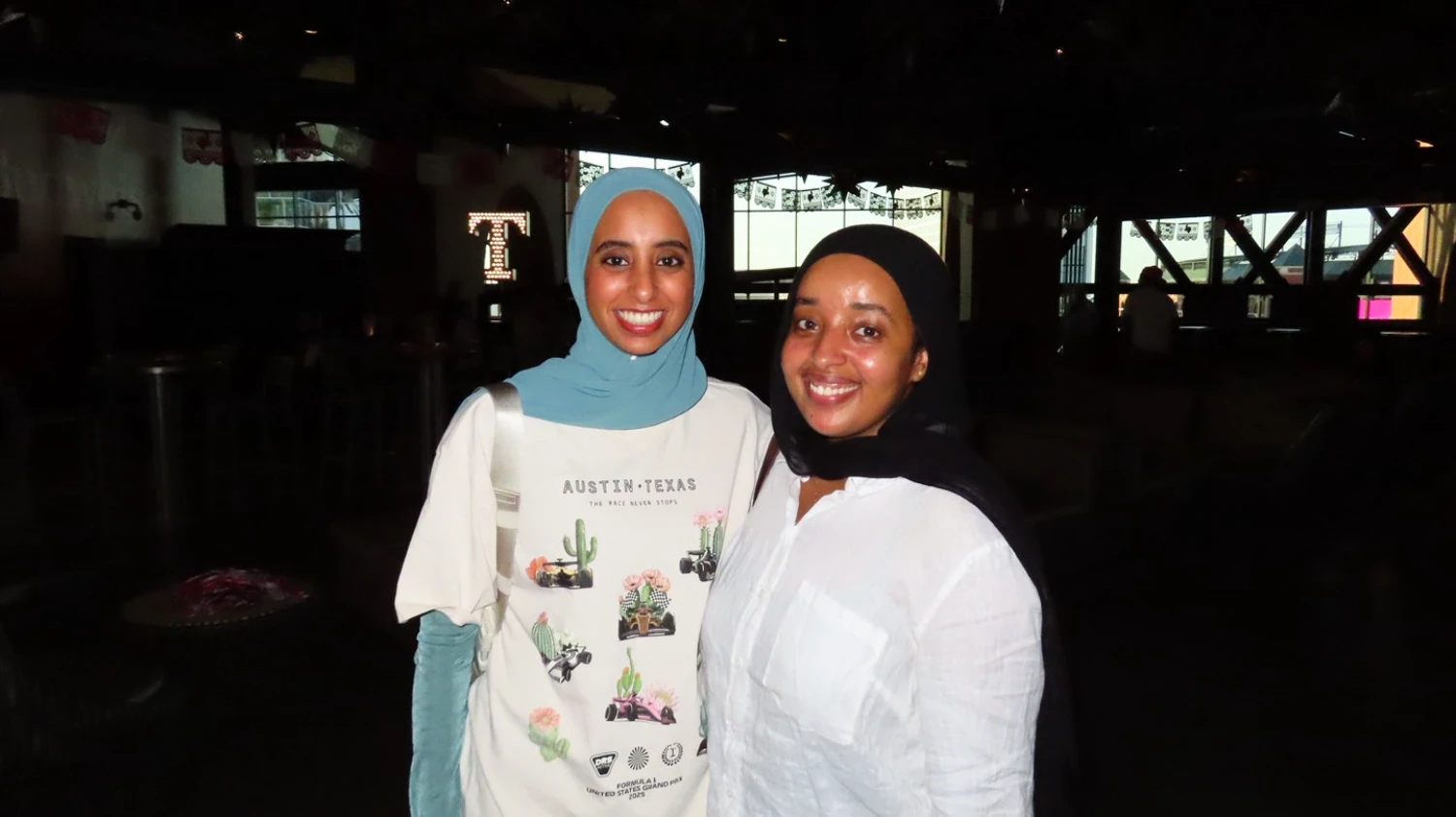
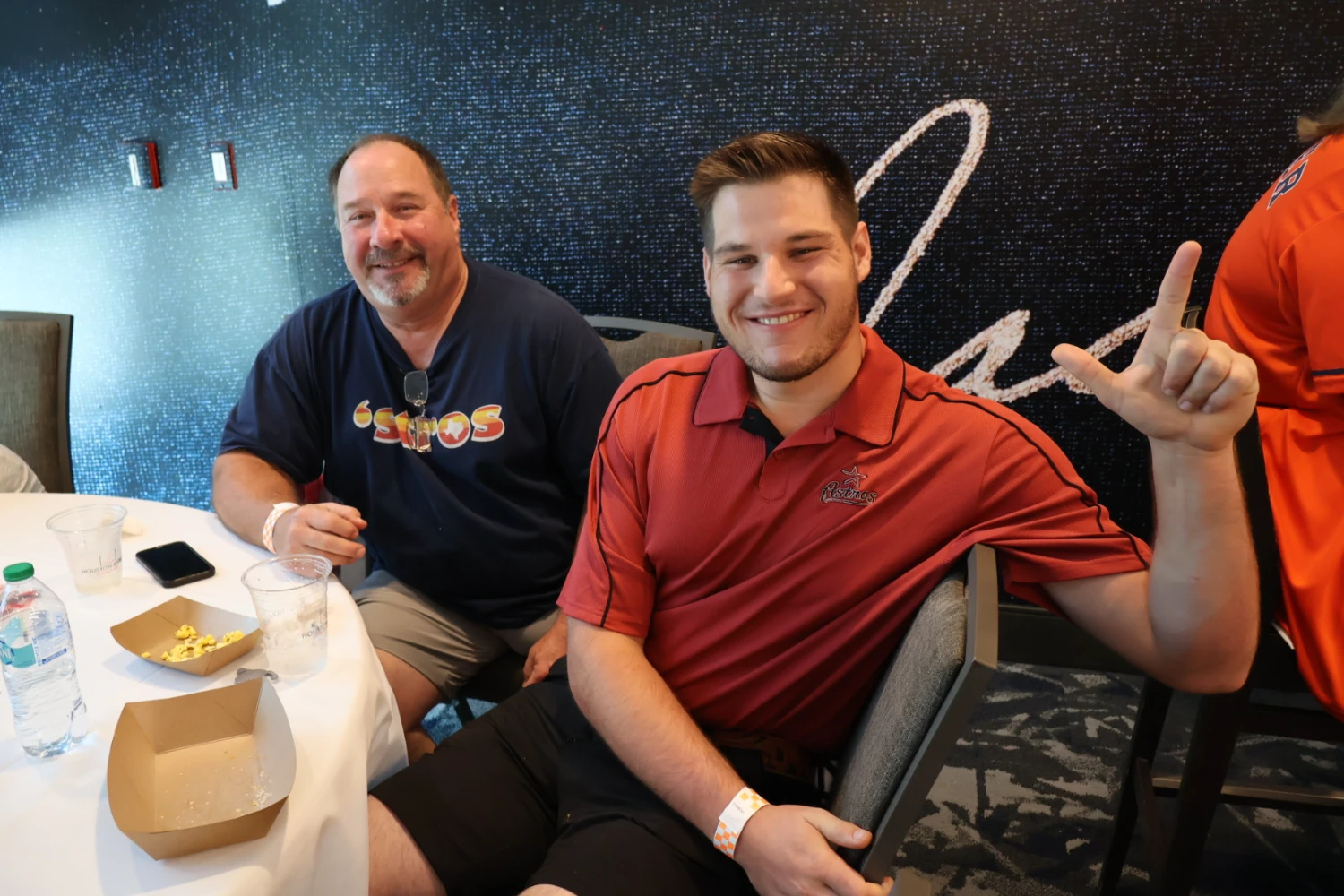
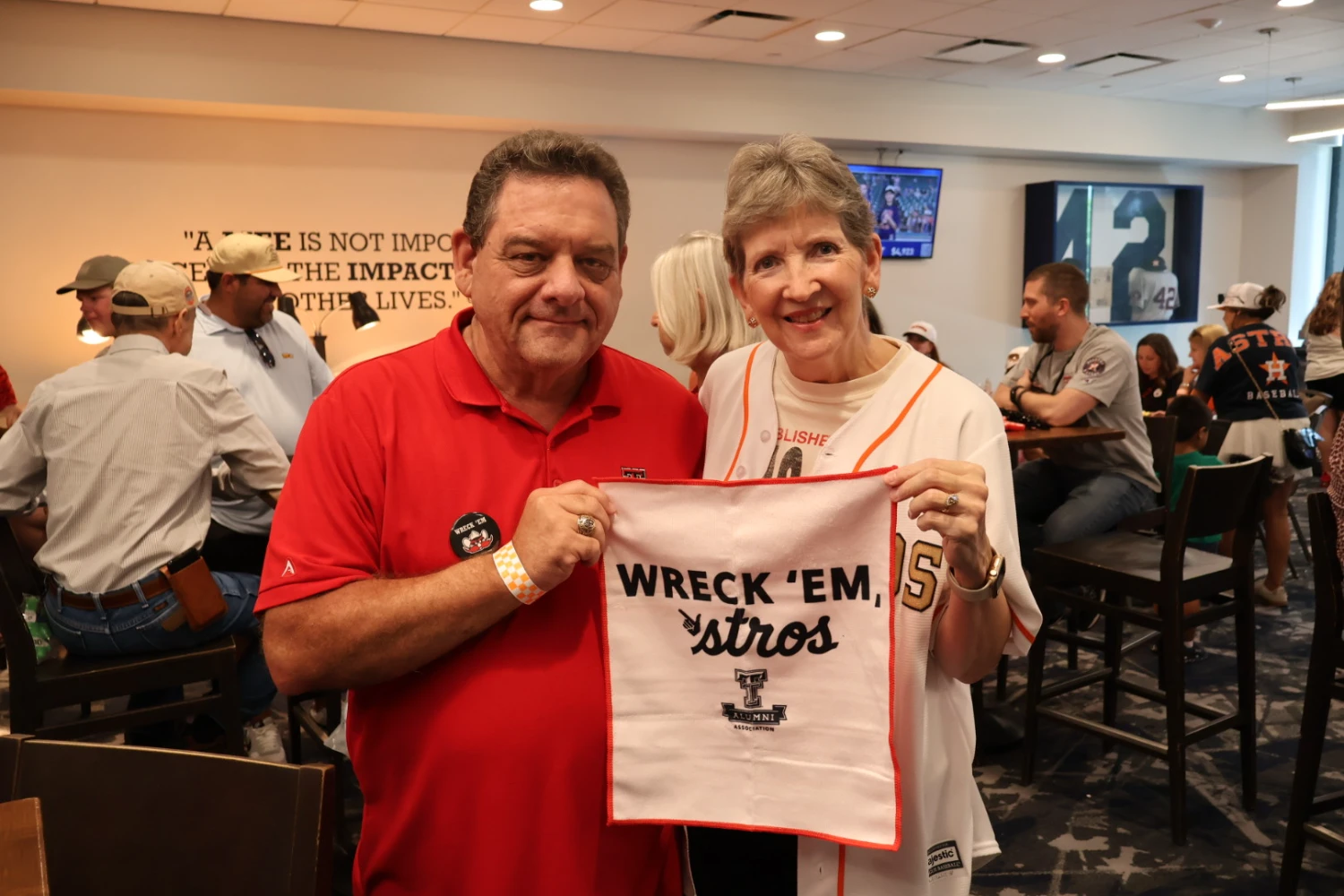


Update Catching Up With TTUHSC Alumni & Friends
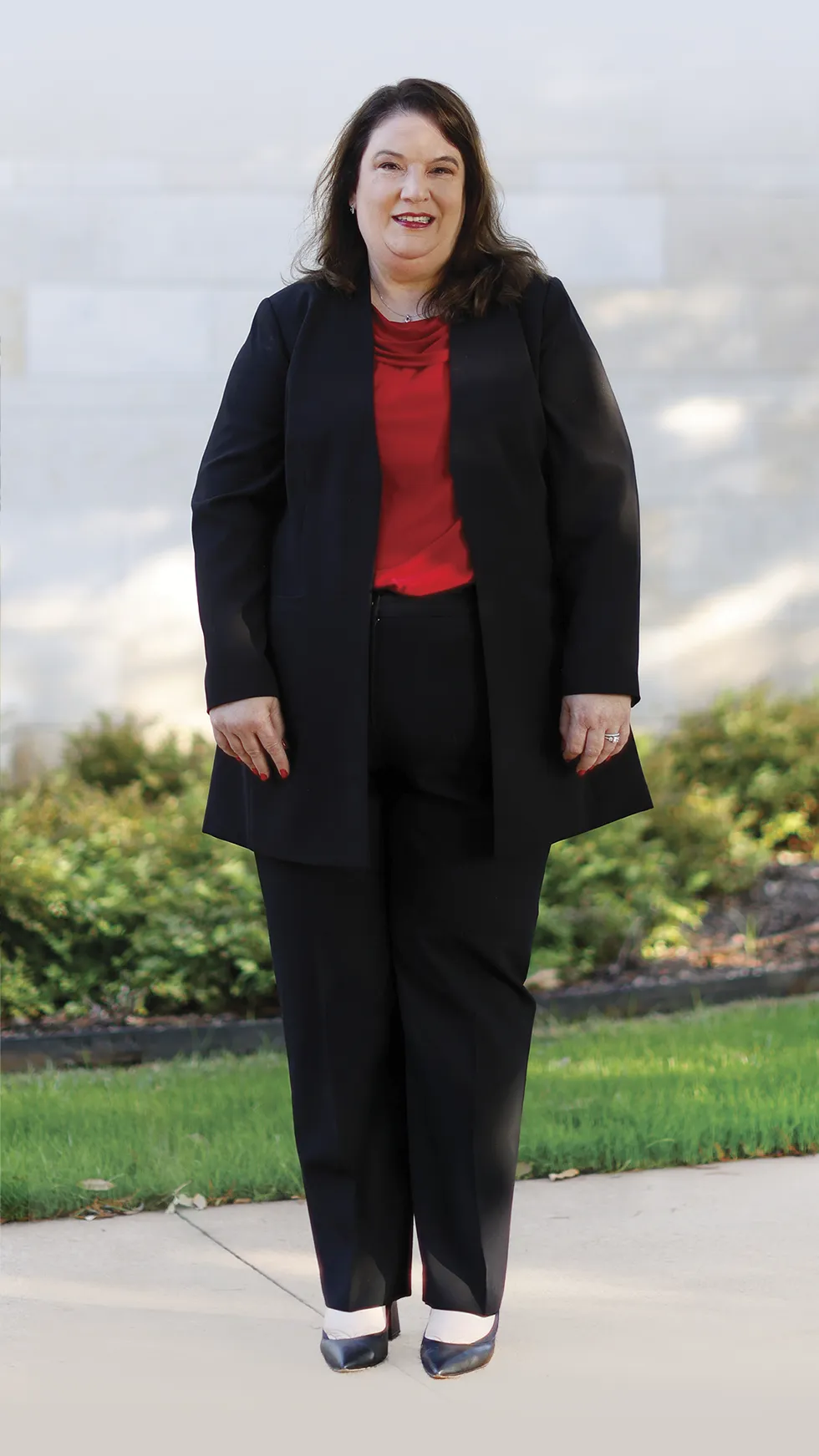
Ebtesam Islam, MD, PhD
Inquiring Minds
“Instead of ‘Band-Aiding’ problems, I think about why? Why is this the problem? What is the issue?” she says.
As a pulmonologist, she is one of the first to look for signs of cancer and recommends oncological help if there is anything concerning. So, for her, success comes from asking probing questions of her patients to make sure and get to the root of the issue and not just temporarily treat symptoms.
That is one of the major lessons she learned in graduate school. Her instructors pushed her to think deeper and ask, “What else could I do for my patients?” It’s the same push she gives to those she teaches.
“That’s something I try to pass on to the students: Why did this happen? This story does not make sense. And I try to force them to think critically instead of saying, ‘Here’s a Band-Aid, go,’” she says.
— Michael A. Cantu
News & Notes- Jane Shawver Allison died June 15, 2026. She served as a staff member with the TTUHSC Lubbock School of Medicine from 1971 to 2006.
- David Merle Baldwin died March 13, 2026. He served at TTUHSC Odessa in research leadership from 1999 to 2012, including as the director of research and sponsored programs.
- Bryan Jeffrey Griffin, MD, (Medicine ’82) died Dec. 19, 2025. He served for almost 40 years at CHRISTUS St. Michael Hospital in Texarkana, Texas, holding leadership roles, including chief of staff.
- James Joseph Hrachovy died June 30, 2026. He served as faculty for the TTUHSC Lubbock School of Medicine from 1992 to 1995.
- Philip George Samuel Hudkins, MD, died April 3, 2026. He served as a faculty member in the TTUHSC Lubbock School of Medicine from 1984 to 1986.
- Myra Roche Jones died May 12, 2026. She served as the manager of the TTUHSC Lubbock School of Medicine Continuing Medical Education from 1994 to 2020.
- Morris S. Knox, MD, died on Feb. 27, 2026. He served as a clinical assistant professor in the TTUHSC Lubbock School of Medicine from 1980 to 2004 and as a physician for 35 years in Brownfield, Texas.
- Casey Dean Peevy died Jan. 23, 2026. He was a medical simulation technician at TTUHSC from 2007 to 2011 before serving at Brandman University and UC Irvine School of Nursing in Southern California.
Friends We’ll Miss