
Father of Fitness

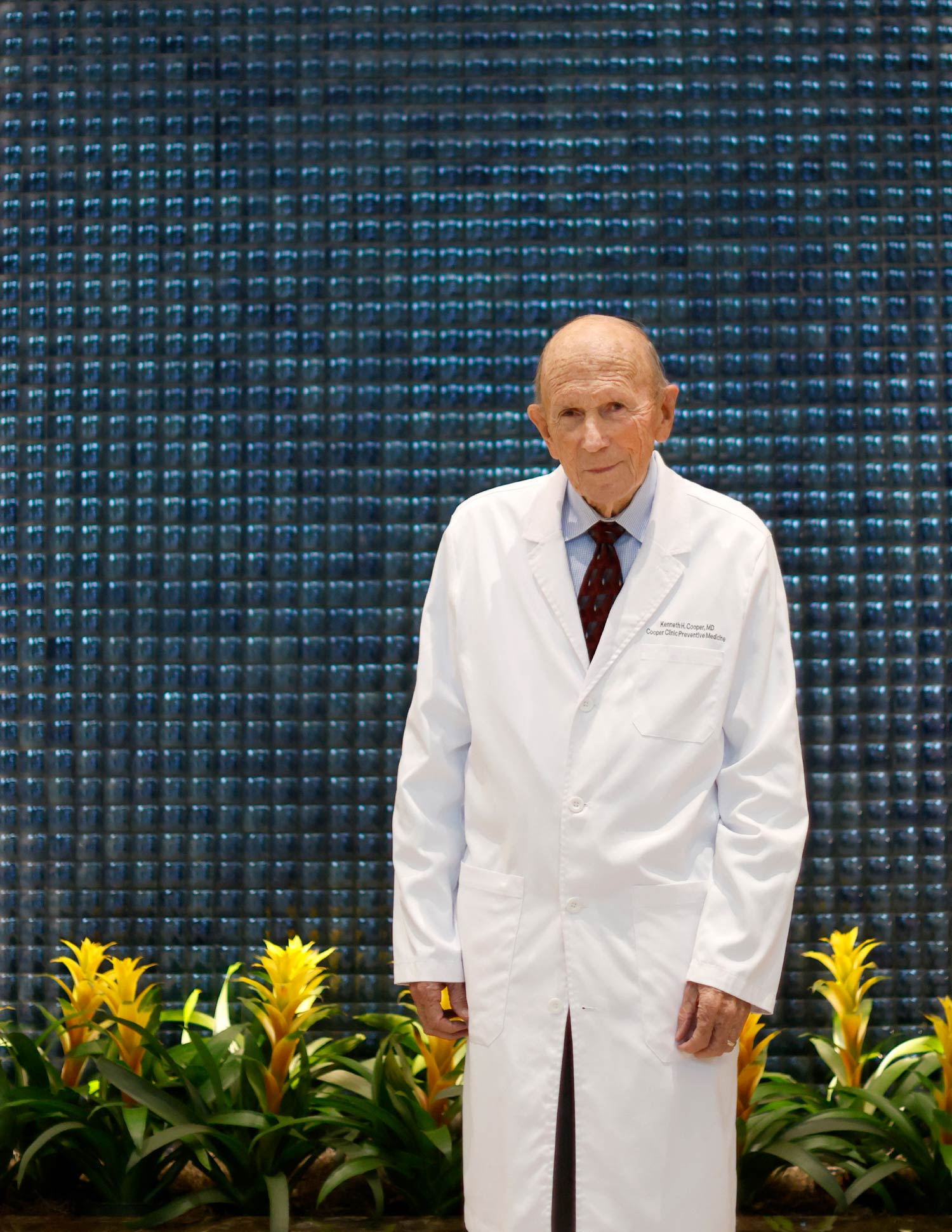

Today, of course, we know better. And Kenneth H. Cooper, MD, MPH is the man largely responsible for that change in thinking.
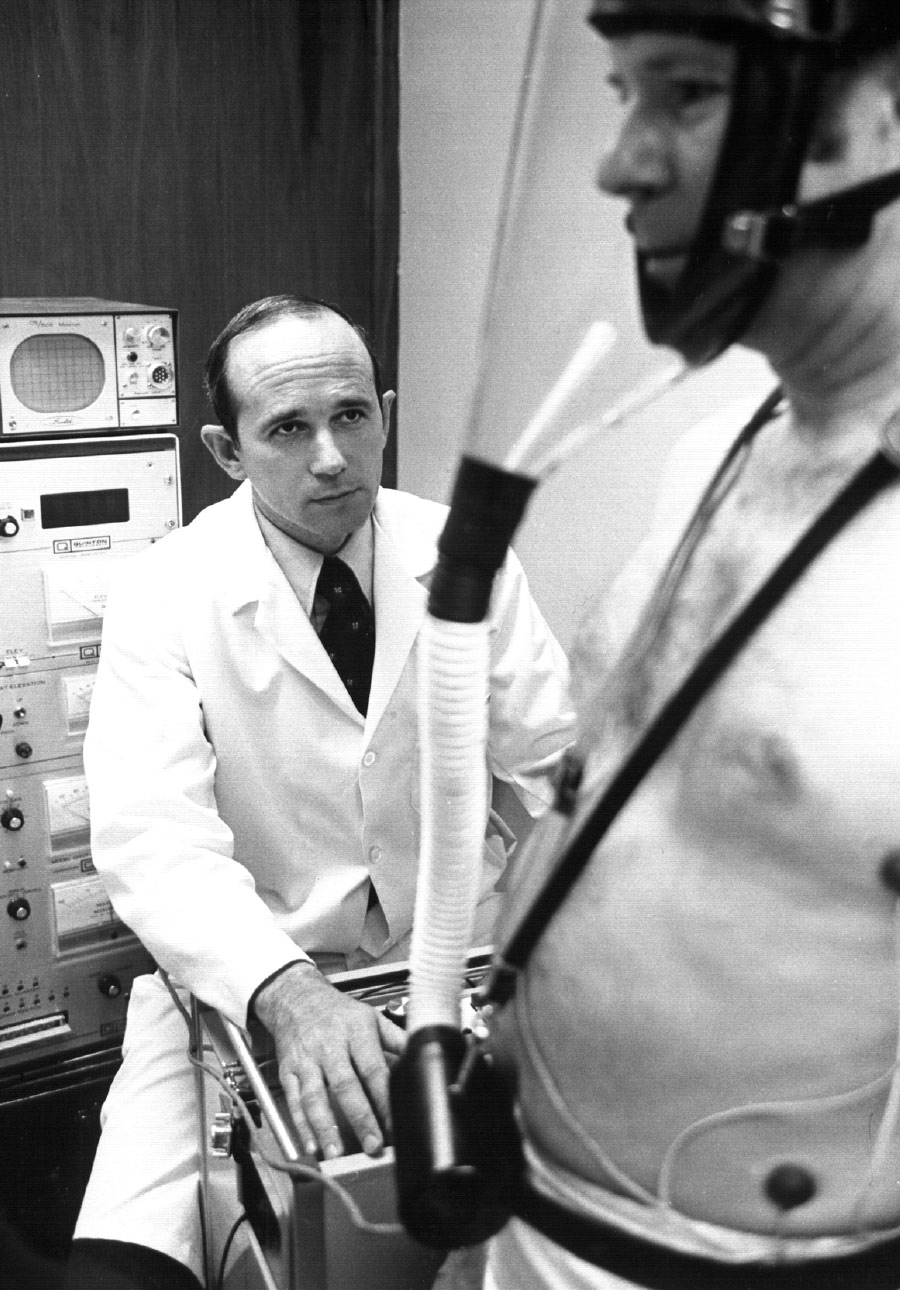
Cooper burst into national prominence in 1968 with the publication of his first book, “Aerobics,” in which he argued that cardiovascular exercise is good for the body in multiple ways and can, in fact, prolong your life. The book became an international bestseller and triggered a fitness revolution that’s still going strong today. It also launched a storied career for Cooper, who founded Cooper Aerobics Center in Dallas, Texas, in 1970 and went on to help tens of thousands of people across the globe get fit — or, as he likes to call it, Get Cooperized.
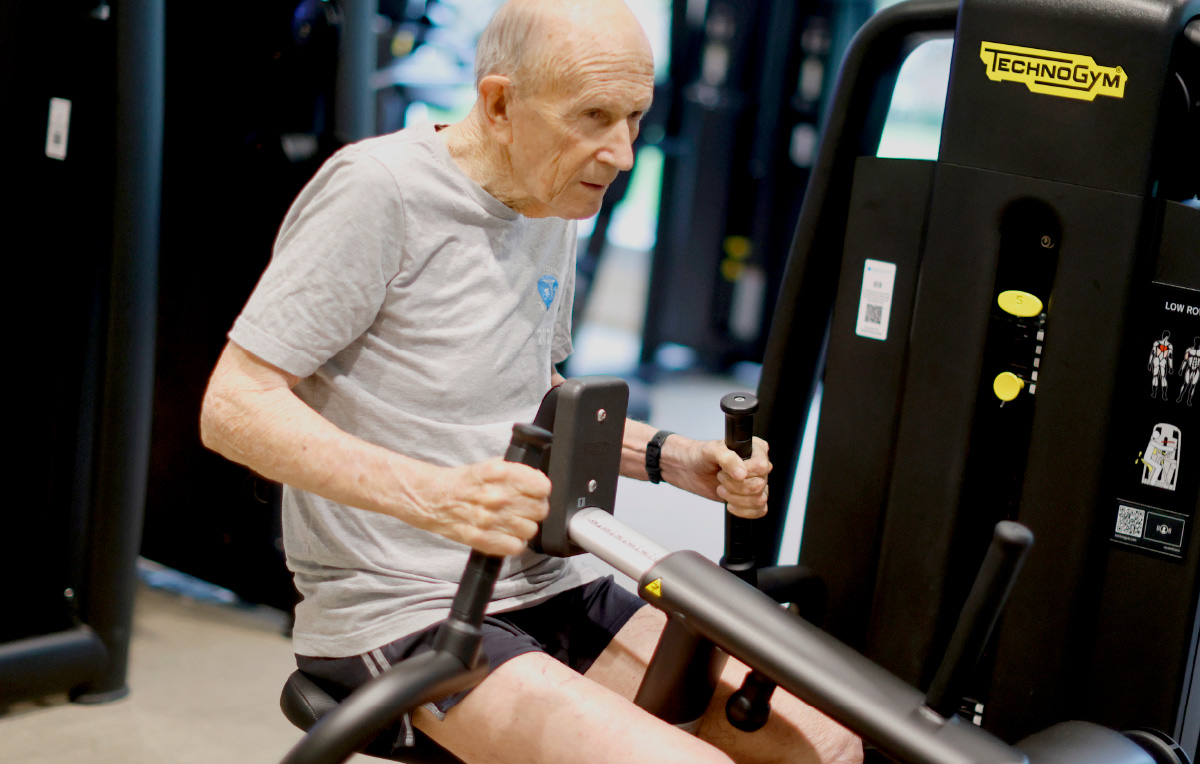
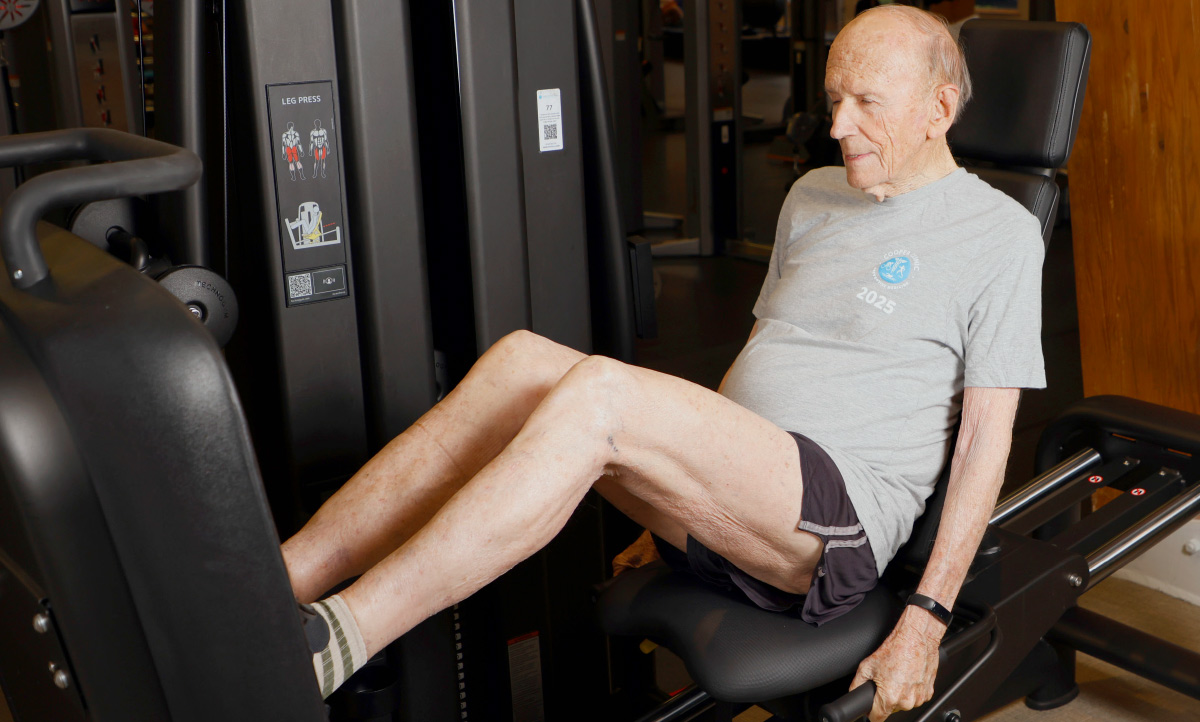
Nearly 60 years after the publication of “Aerobics,” Cooper, who will be 95 in March, had his 20th book published last summer. He still sees a few patients at Cooper Clinic (one of six health and wellness companies under the Cooper Aerobics umbrella). However, he’s handed over the CEO role to his son, Tyler Cooper, MD, MPH. In October 2024, Cooper Aerobics’ nonprofit research arm, The Cooper Institute, became a part of TTUHSC. Officially called the Kenneth H. Cooper Institute at Texas Tech University Health Sciences Center, the partnership ensures that the massive database of consented and deidentified data —and the research associated with it — will continue for years to come.

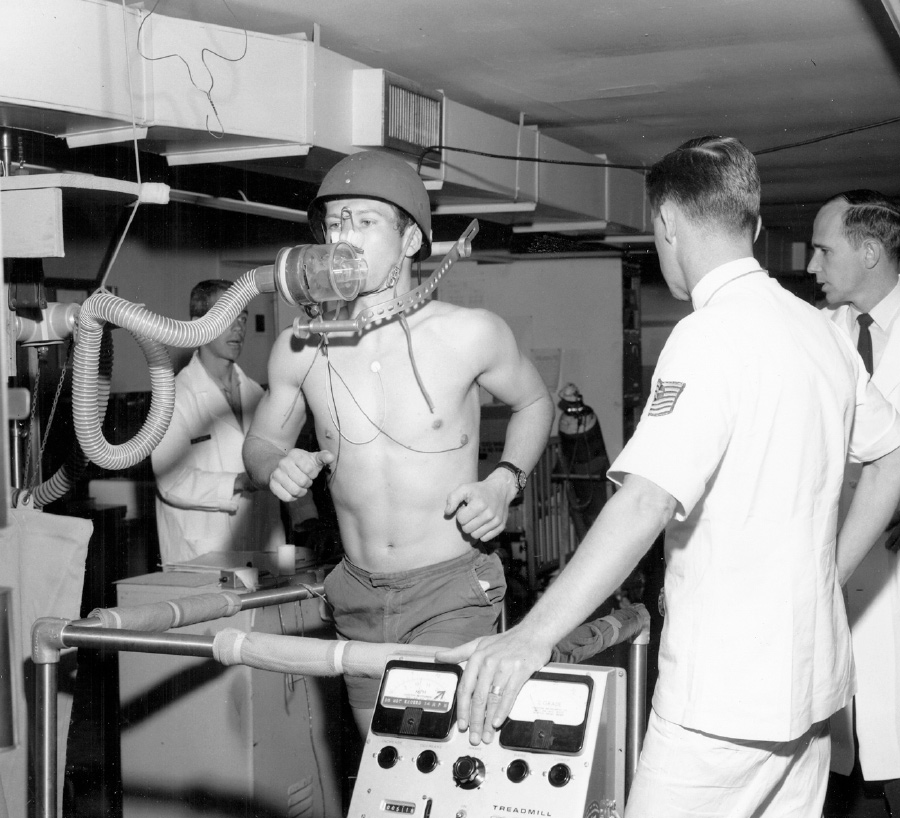
Two things convinced Cooper that the conventional wisdom was wrong. One was his own work as an Air Force physician, working with astronauts to get them into top physical shape before their flight and developing a conditioning program to keep them active while in space. The other was a personal health scare when he was 29: He had gained weight and become sedentary in medical school, and while trying to water ski on a slalom course he had done many times before, he suddenly was gripped with chest pain. A workup the next day at an Air Force medical facility showed he had high blood pressure and was prediabetic. “I had deteriorated,” he says simply.
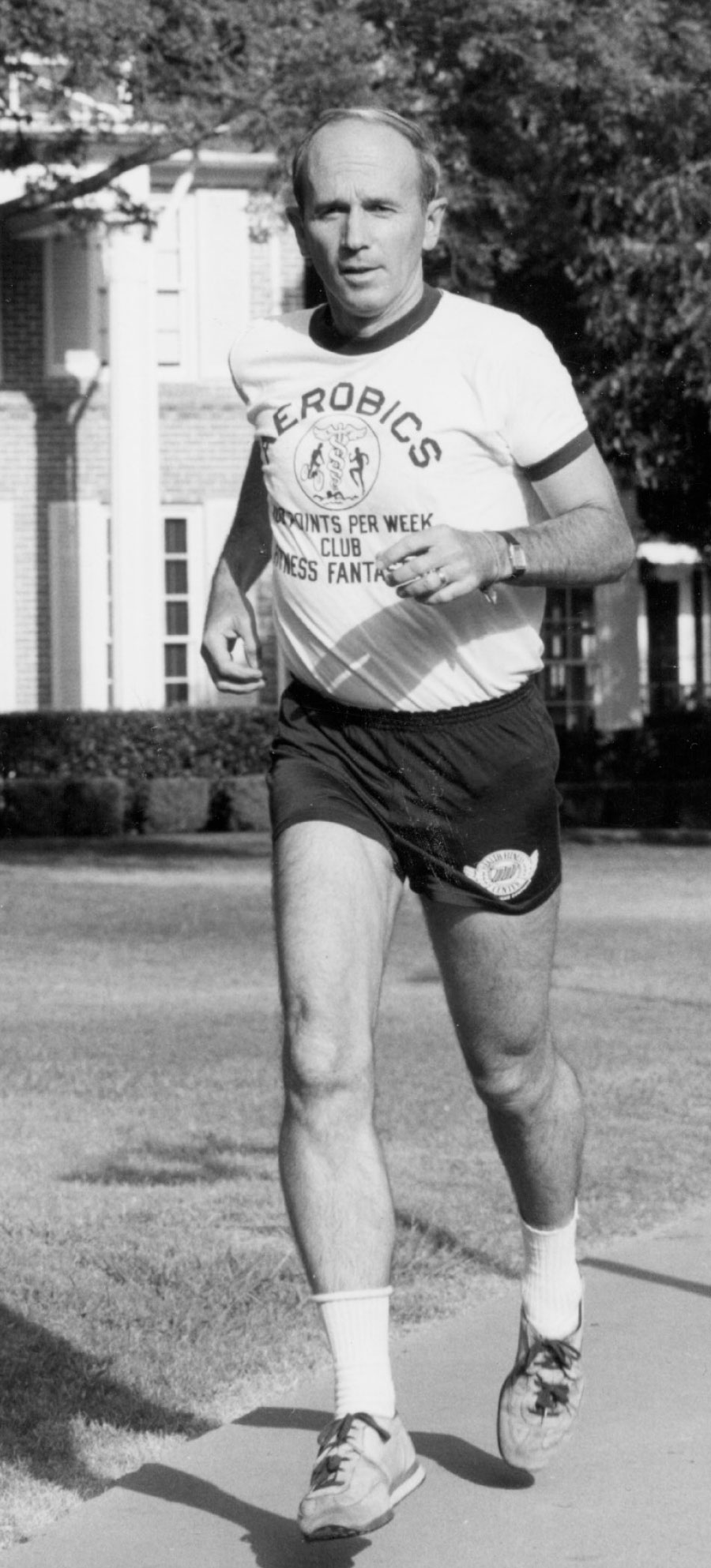
In his landmark book, “Aerobics,” he argued that consistent cardiovascular exercise — walking, running, swimming, cycling — can improve your health and add years to your life. It quickly became a bestseller, and to date, it has sold more than 30 million copies and is translated in 41 languages. The public took his advice to heart — so much so that, over the next 20 years, the nation was “swept by a fitness and exercise boom that has taken on almost religious fervor,” according to a 1987 article in The New York Times. “Joggers, swimmers, cyclists, skiers are everywhere, spreading the word.”
“If this movement has a high priest,” the Times added, “it is Dr. Kenneth H. Cooper.”
Cooper Clinic grew from two small offices in north Dallas to today’s sprawling, 30-acre campus, which includes a clinic, fitness center, spa and hotel and conference center. There’s even a line of vitamins and supplements called Cooper Complete. Overall, Cooper Aerobics employs 550 people, including 31 physicians.

Mitchell adds TTUHSC was chosen over a number of other universities as the institute’s home because it graduates more health care professionals annually than any other in the state and has a varied range of programs, including pharmacy, nursing and public health. The institute will be housed in Dallas, where the university already has a strong presence, and Laura DeFina, MD, remains the executive director, a role she’s held since 2014.
Mitchell has known Cooper for more than three decades: Mitchell did part of his medical residency at Cooper Clinic and eventually became president and CEO. (When he left in 2010 to become president of TTUHSC, he remained on The Cooper Institute board.)
While he stayed out of the discussions about the institute joining TTUHSC, he’s “ecstatic” that it has come to fruition. Several of the institute’s faculty also have joint appointments in the Julia Jones Matthews School of Population and Public Health, and the institute’s vast database will provide a wealth of research opportunities, not just for TTUHSC faculty, but for learners, too. Mitchell would love to see every TTUHSC learner participate in research as part of their education: “It’s very important for all of them,” he says. “It helps them think scientifically; it helps them think clinically.”
Perhaps most importantly for older adults, he stresses that it’s never too late to start.
“Who determines how long you live?” Cooper asks. “It’s not the government. It’s not the insurance company. It’s not your physician. Your health is your responsibility and no one else’s. No drug can replicate the benefits of an active lifestyle.”