


His Story Sparked a Movement

During those long walks in the heat, cold, rain or sun, the bond Teya and N’gero forged would have an outstanding ripple effect, changing the lives of children in the villages they served.
That bond would persist when they moved to the United States to further their education. N’gero’s journey would start at Dallas College North Lake and later he graduated from the University of North Texas with a master’s in electrical engineering. Teya started the Doctor of Nursing Program at TTUHSC after attending Richland College, Langston University and Walden University. In a TTUHSC classroom, Teya had the opportunity to share a bit about that bond, the missionary work they did together and the school children in Kenya they were helping through their work with the nonprofit organization HecLife, which they serve as co-presidents.
Now, a group of Teya’s classmates are making visits to the same village on the Kenyan coast, Jimba Village, to provide health care, shoes, food and school supplies and providing an education to orphaned children and filling volunteer roles at the HecLife. Through the organization, that is mostly volunteer-led, they are building a boarding school to provide food, shelter and health services to dozens of children to break cycles of poverty.
A missionary walk that created a school
The villages struggle with poverty, and many of the young girls go to the tourism area and meet men. In the early 2010s, there was a significant HIV/AIDS epidemic in the area, which Teya says left many orphaned children behind. For children left without parents, even something as fundamental as education can feel like a luxury, out of reach when their days are spent battling hunger or searching for shelter.
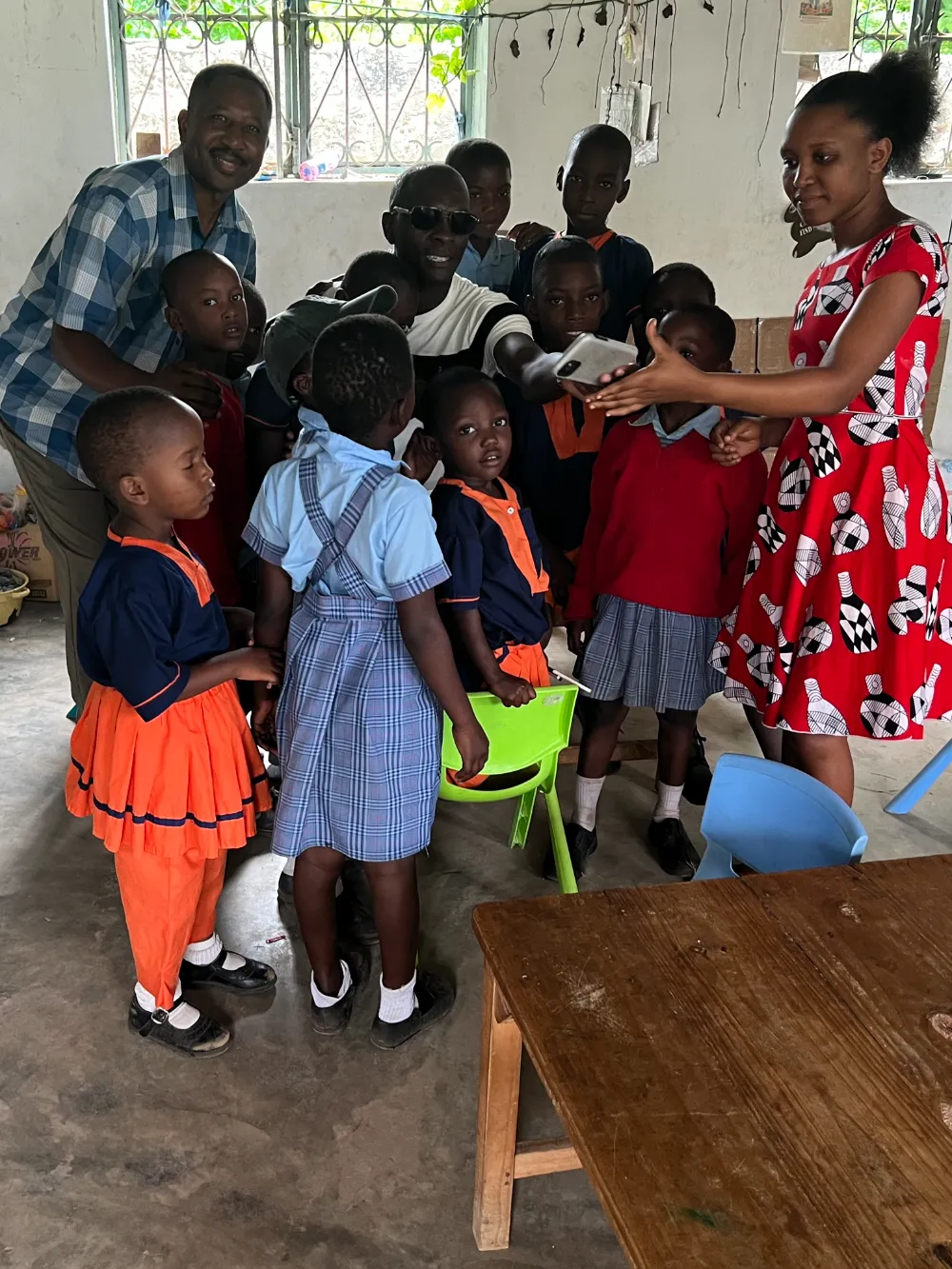


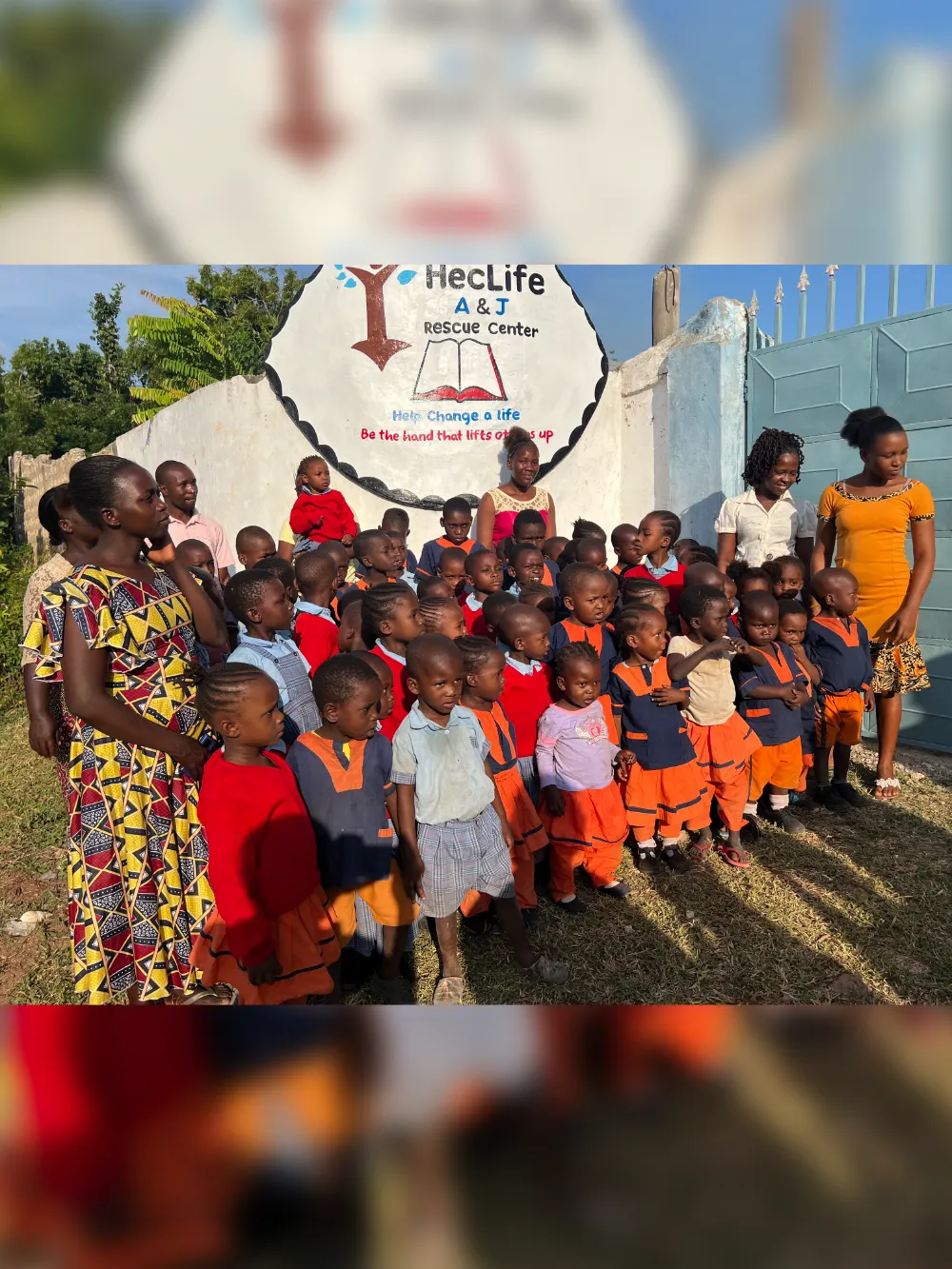

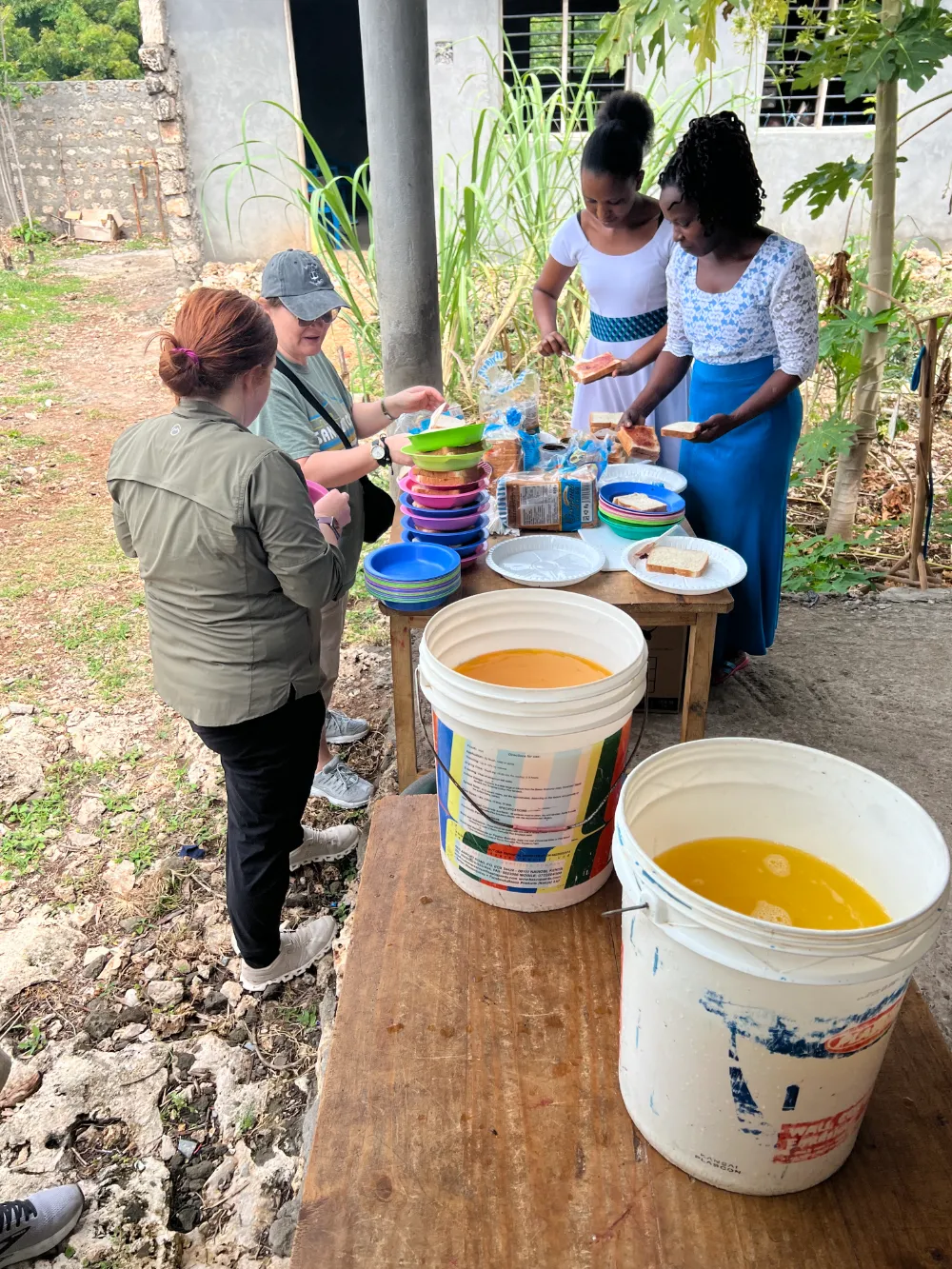
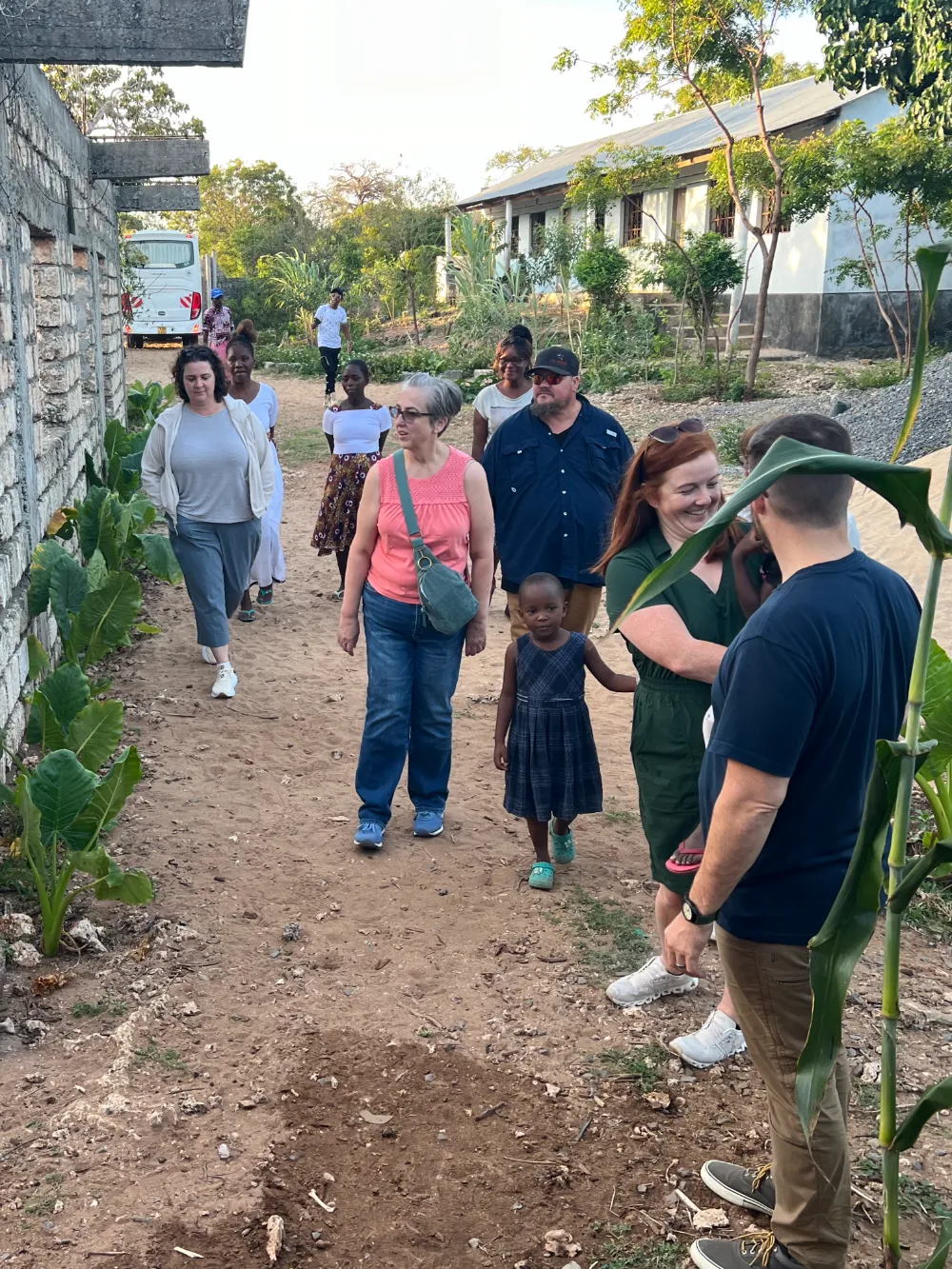


“Most of these kids, they are so poor,” Teya says. “Some of the houses use coconut branches to make their houses. You wonder, when it rains, how they even survive.”
But Teya and N’gero couldn’t shake visions of the poverty they saw.
Even when they arrived in the U.S. on student visas, the friends continued to seek information about fighting poverty in Kenya. Through connections with pastors, N’gero learned about a village in eastern Kenya that needed help providing resources for children.
They asked friends and did presentations at various churches to collect what they could. Those well-wishers gave hygiene supplies, clothing, food, shoes and more.
Their advocacy continued, and eventually, through family savings, Teya and HecLife bought an acre of land for $2,000 for the children. Teya and N’gero also enlisted the help of a friend studying architecture to design a school for the children and their caretaker.
Once a neighbor learned the construction near them was a school, they donated some of their own land for teacher housing.
Once the community learned about the school, more support poured in. More students started attending, three more classrooms were built, and there is now housing for staff.
For Teya and HecLife, it seemed like support would keep coming. With that, they could start to dream. What else could HecLife accomplish if word kept getting out?
A leadership class that sparked a movement
“We were talking about this concept of, when you go higher, you have to see what impact you can do to get the community to where you are,” Teya says. “And it was this leadership concept that if you cannot pull somebody to the level where you are, then you are not a leader.”
Sitting in the same class, Kambree Baxter, DNP, (Nursing ’23) saw an opportunity in Teya’s telling of HecLife. Like many people she knows, Baxter got into health care because she wanted to help people. She went into the field looking for an opportunity to do something bigger than herself, to make an impact. Teya presented her with the perfect opportunity to do so.
And it wasn’t just Baxter, almost all of the students in the class wanted to get involved with Teya and HecLife for a chance to provide compassionate care outside of the traditional clinical setting. Here was an opportunity for them to not just talk about treating children, but to actually go meet them where they are. Not just provide medical care, but show them that their lives are valued even in America. It was a life-changing moment, not just for the TTUHSC students, but the children in Kenya as well. One speech in a class changed lives on two continents for good.
Once the classmates decided to get involved, they had regular meetings for months. They enlisted the help of churches and rallied their networks to make donations. Together, they collected food, medical supplies, clothing, shoes and other resources that filled a 40-cubic-foot shipping container.
After about a year of planning, in July 2024, the classmates made it to the school in Kenya, where now there is an entire building for classrooms, housing for teachers and even a garden to feed the children. Adding facilities helped drastically, but the children still returned home at the end of the day to poverty. There was only one problem, Baxter and Teya recall, the shipping container didn’t make it with them.
Even without their supplies, they were ready. The group started performing basic health diagnostics on the schoolchildren, getting their height and weight measurements. From there, they made nutrition plans for the caretakers to try to follow to help combat the conditions the children faced from malnourishment. The group was also able to supply water filters to get the children easier access to clean water.
They walked to local homes in the villages and provided what medicine they could, sometimes giving cash to visit the local hospital.
Baxter recalls the most immediate needs being malnourishment, foot parasites, oral hygiene, skin conditions and ear infections. Malnourishment was severe; students who told Baxter they were 9 looked like an American 6-year-old, she says.
But those creative solutions had to still respect the culture and social dynamics of Kenya, Baxter says. Through it all, they also had the opportunity to learn about those cultural differences.
One of the biggest differences Baxter recalls is the way guests are welcomed in Kenya. There isn’t fast food, and cooking there is more intentional; in the U.S., it’s just about meeting needs. Everyone they visited — including Teya’s family — offered them a home-cooked meal and encouraged them to eat as much as they wanted, even if they had nothing to offer in return.
Teya says this realization was intentional on his part. He wanted his classmates to see that Africa isn’t what American media makes it look like, and that there are traditions worth taking back.
A class that keeps giving
The generosity and growth of the project and school is beyond what Teya dreamed, and now he can dream even bigger. HecLife wants to build dormitories where students can stay from preschool to graduation. Teya and the team at HecLife want to send people to college. They want to break disease cycles and graduate students with healthy minds and bodies.
All of this can be possible now — thanks to two boys who took a missionary walk one day.