

 Feature
Career Crossroads Lead to Research Triumph
hen Kendra Rumbaugh, PhD, (Biomedical Sciences ’01) enrolled in 1996 as a TTUHSC graduate student, she knew two things for certain: she wanted to go into some type of health care field and she didn’t want to go to medical school.

After earning a bachelor’s degree in microbiology from the University of Texas at El Paso, Rumbaugh decided to pursue a master’s degree and joined Abdul Hamood’s, PhD, laboratory in the TTUHSC Lubbock School of Medicine Department of Immunology and Molecular Biology. She also began working with John A. Griswold, MD, in the school’s Department of Surgery.
“My project had to do with infections and burn wounds,” Rumbaugh says. “Dr. Griswold was the chair of the surgery department and Dr. Hamood studied infections, so they were co-mentors to me. The work for my master’s project was going so well and I liked it so much that I never actually finished the master’s program; they let me transition over to the PhD program and continue on the same project and expand it.”
When she completed her postdoctoral fellowship, Rumbaugh assumed she and Williams would find positions in a new location. However, Williams really liked Lubbock, had an active laboratory with graduate students and was reluctant to look for other positions outside TTUHSC. It looked like Rumbaugh would be returning to Lubbock and her alma mater.
Upon her return, Rumbaugh continued to study burn wound infections. However, she soon discovered a certain practicality to choosing topics for research funding. Though burn wound infections are certainly worthy of intensive research, they appear in fewer patient populations, which significantly limits the funding available to research that particular type of injury.
The concept of biofilms (an array of microorganisms that congregate as a mass, usually on some type of surface such as a wound bed) was becoming a hot topic in microbiology, and it was an area Rumbaugh had studied in her graduate work. However, most of the biofilm work for chronic infections was related to lung infections and foreign bodies.
Rumbaugh’s work was also motivated by her father, a Type 2 diabetic. For the last decade of his life, he dealt with chronic foot ulcer infections. In fact, he was in the hospital for an infected diabetic foot ulcer longer than he was for a liver transplant. Additional complications occurred, such as decreased kidney function from the multiple IV drugs used to treat the foot ulcer infection.
“I was already studying chronic wound biofilms, but that really hit home about how difficult these types of infections are to deal with,” Rumbaugh says. “When your research becomes a little personal like that, it increases the importance of what you’re doing.
“It’s been 25 years now, so becoming a researcher at TTUHSC was a great decision. I think the environment here is so friendly and collaborative and collegial at the faculty level, and we’re given a lot of support to help us succeed as basic scientists. So, while I wasn’t really happy about that fork in the road at the time, it ended up being a wonderful decision and we’ve been really happy here.”
—By Mark Hendricks
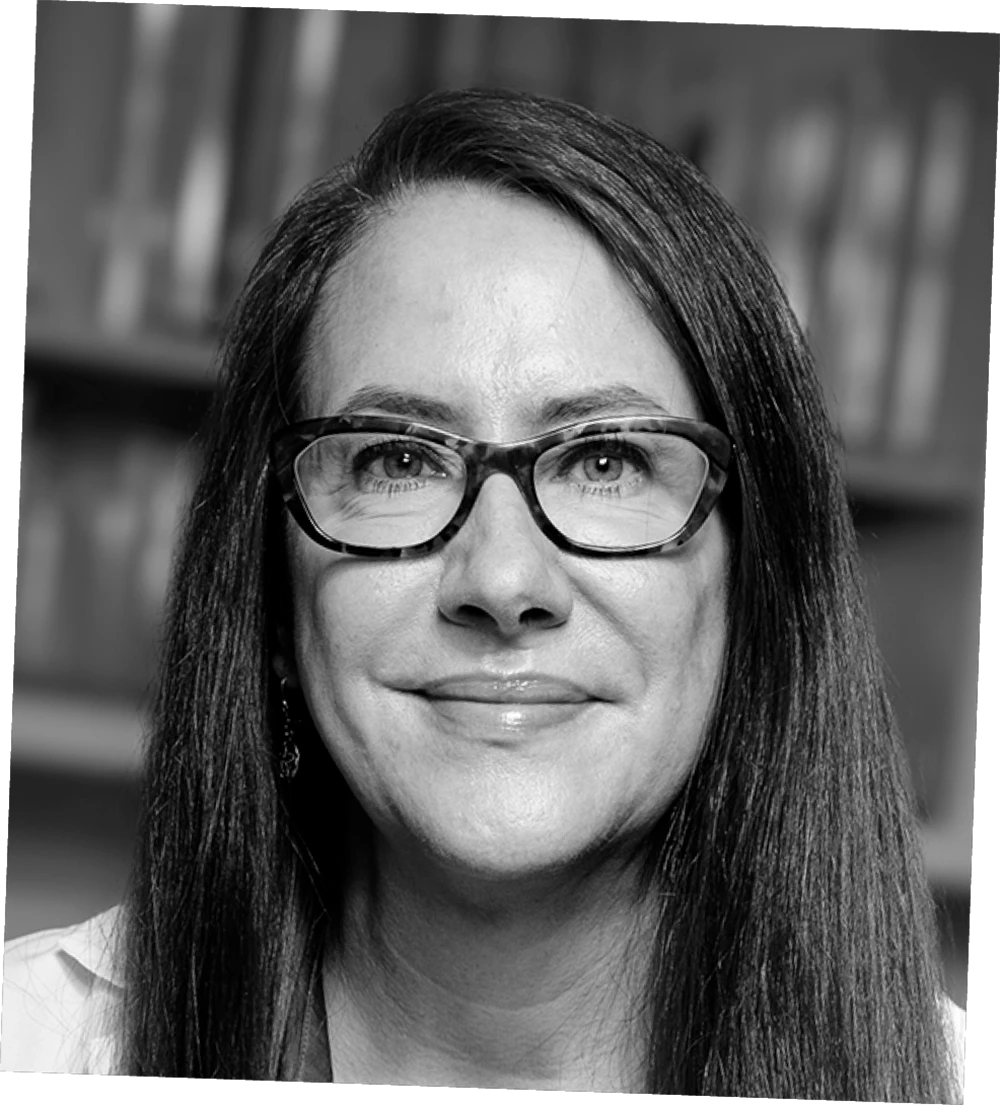
Excerpts from the CURRICULUM VITAE of
Kendra Rumbaugh, PhD (Biomedical Sciences ‘01)
EDUCATION:
PRESENT POSITIONS:
Professor, School of Medicine Department of Surgery
Publications, Patents, invited speaking events (as of may 2025):
- 123 research articles in peer-reviewed journals
- 1 patent
- 84 invited seminars and presentations